


Tehran: Iran has expressed strong dissatisfaction
with the international response to the ongoing conflict, particularly after the
United Nations Security Council adopted a resolution condemning Iranian attacks
in the Gulf region.
Leaders in Tehran say the decision reflects what
they describe as a pattern of double standards by the international community.
Iranian officials argue that no similar emergency meeting or united
condemnation was seen when the United States and Israel carried out attacks on
Iranian territory, which they say resulted in the deaths of several political
and military leaders.
Because of this, the Iranian leadership has shown
little interest in discussions about peace or reconciliation at the moment.
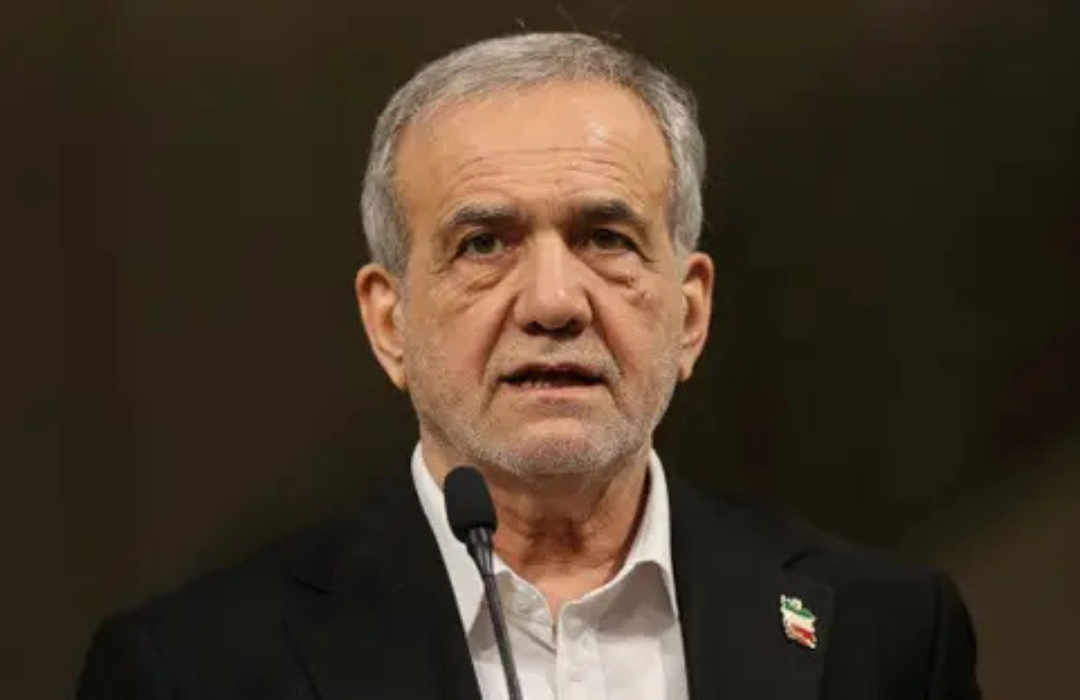
However, Iran’s President Masoud Pezeshkian has emerged as the main figure
within the leadership speaking about the possibility of ending the conflict
through negotiations.
In recent days, Pezeshkian has held discussions
with several regional and international leaders, including Vladimir Putin,
Shehbaz Sharif, and Haitham bin Tariq, focusing on diplomatic efforts to reduce
tensions.
The Iranian president has also outlined three key
conditions for bringing the war to an end. These include recognition of Iran’s
legitimate rights as a sovereign nation, compensation for the damage caused to
the country’s infrastructure and public life, and strong international
guarantees to ensure that similar attacks do not occur again in the future.