

Photo: NDTV
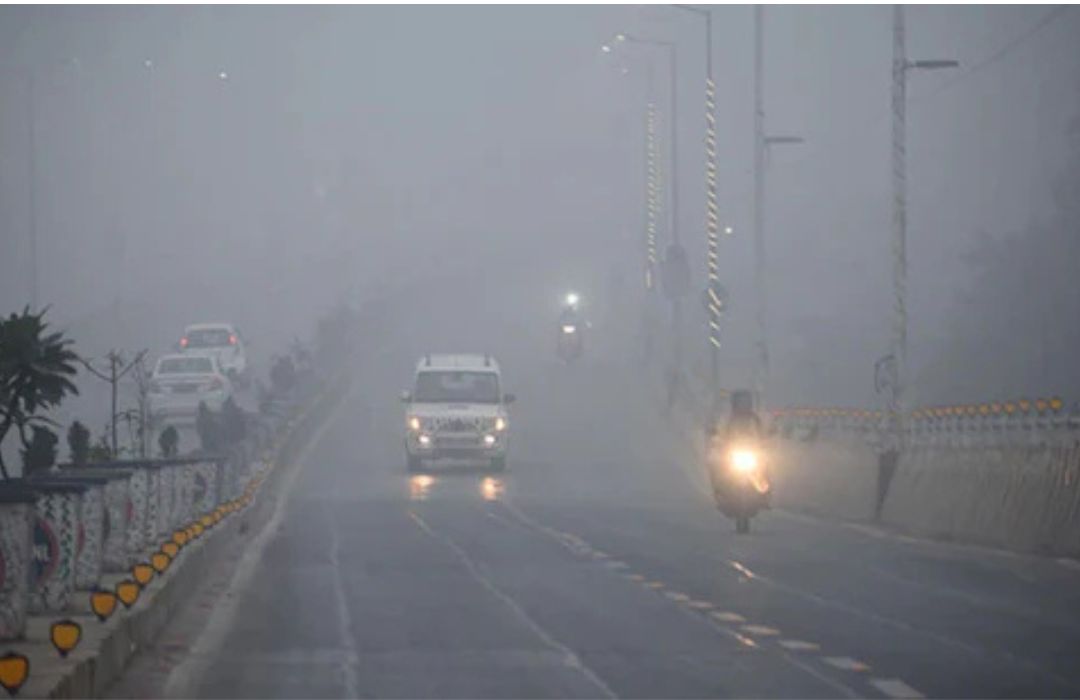
New Delhi: Air quality in the national capital worsened sharply on Monday, with the overall Air Quality Index (AQI) rising to 403, placing Delhi firmly in the ‘severe’ category, according to data released by the Central Pollution Control Board (CPCB). Alongside the pollution spike, the India Meteorological Department (IMD) issued an orange alert for dense fog, further aggravating visibility and travel conditions across the city.
Large
parts of Delhi were enveloped in thick toxic smog, resulting in poor visibility
in several areas. Pollution levels in multiple localities remained far above
permissible limits, with Anand Vihar recording particularly alarming AQI readings.
Residents reported eye irritation, breathing discomfort and reduced outdoor
activity as the smog lingered through the day.
CPCB
monitoring stations showed that many locations across the city continued to
record ‘severe’ air quality,
a level classified as having serious health implications. An AQI between 401 and 500, as
per CPCB standards, poses heightened risks, especially for children, the elderly, and
individuals with asthma or other respiratory conditions. Health
experts have advised vulnerable groups to limit outdoor exposure.
The combination of dense fog and hazardous air
quality also disrupted
transport services. Several trains at the New Delhi railway station
experienced delays, while operations at the Indira Gandhi International Airport
were affected, with a few flights delayed due to low visibility amid cold wave
conditions.
In response, IGI Airport authorities issued a travel
advisory, urging passengers to check flight status with their
respective airlines before leaving for the airport and to allow additional
travel time. Airlines also cautioned travellers about possible schedule changes
due to weather-related disruptions.
Officials
attributed the deteriorating air quality to cold temperatures, calm wind conditions and
dense fog, which hinder the dispersion of pollutants.
Environmental experts warned that air quality is likely to remain poor in the coming days
unless there is a significant change in weather conditions, such as stronger
winds or rainfall, to clear the accumulated pollutants.
Join the Rehaab Online WhatsApp group for timely updates (Click here to join the group)