




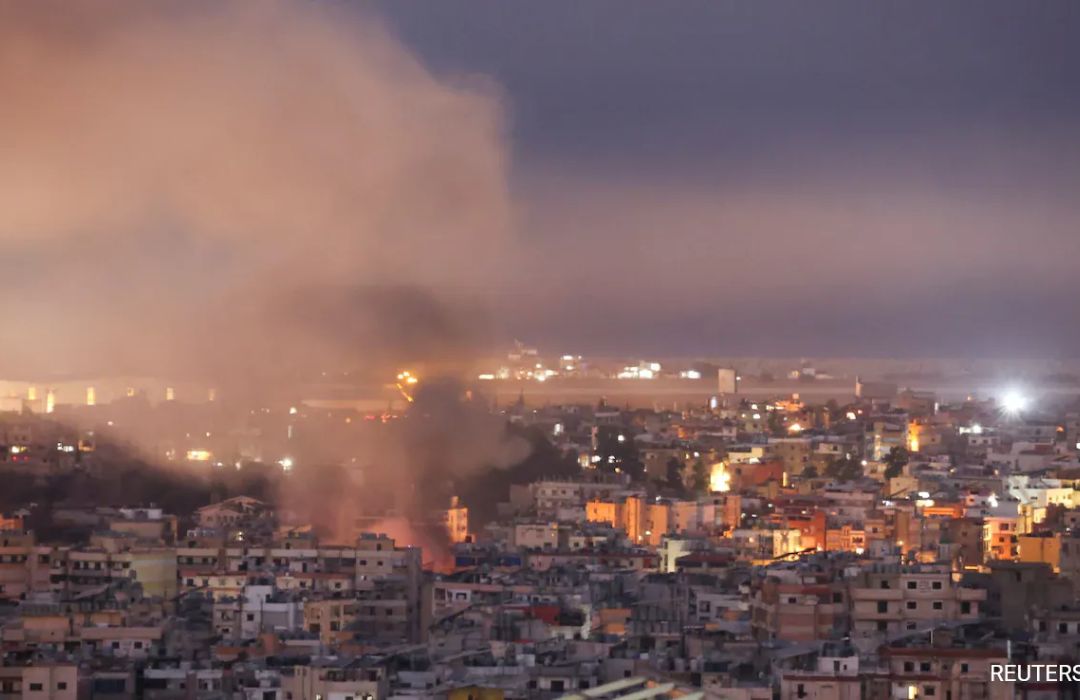
Israeli warplanes struck the southern
suburbs of Beirut on Sunday, marking the first attack on the Lebanese capital
since a ceasefire was extended earlier this month. The Israeli military said it
targeted a Hezbollah infrastructure facility in the Dahiyeh area in response to
rocket fire from Lebanon into northern Israel.
Hours later, Iran launched missiles
toward northern Israel - the first such direct attack since a fragile ceasefire
took effect in April. Israeli media reported three waves of missiles, with
initial reports indicating damage in the city of Tiberias. The Israeli military
said its air defense systems intercepted all incoming projectiles, and
authorities temporarily suspended operations at Ben Gurion Airport.
Early Monday, Israel launched strikes
on targets in western and central Iran in response to the missile barrage.
Iran's Revolutionary Guards described the missile attack as "the beginning
of a full week of continuous strikes" against Israel. Iran suspended all
incoming flights to Tehran's Imam Khomeini International Airport until further
notice.
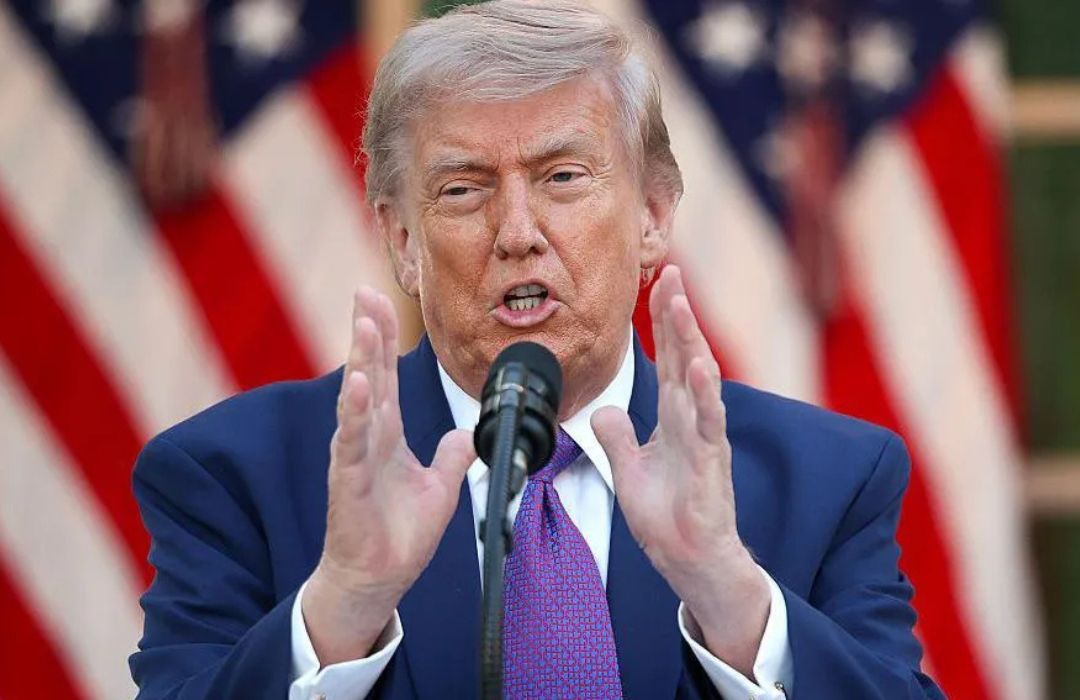
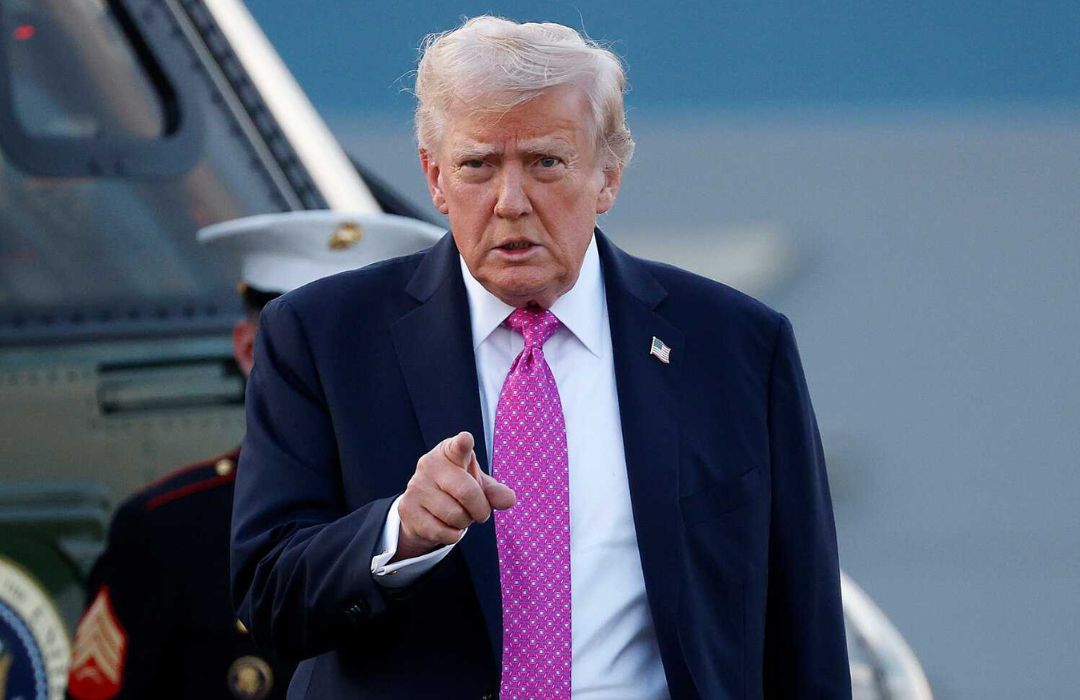
Oil prices rose in Asian trading, with Brent crude gaining 2.6 percent to $95.50 a barrel. US President Donald Trump urged both sides to avoid further escalation. "The Iranian strikes didn't hurt anybody," Trump told Israeli media. "Israel had its strike and Iran had its strike. We don't need another one." He said he planned to speak directly with Israeli Prime Minister Benjamin Netanyahu to discourage additional military action.
Follow Rehaab Online on WhatsApp (Click here to join the group)