



Doha: A new immersive
exhibition honoring the Great Mosque of Rome - Europe's largest mosque - opened
this week at the Museum of Islamic Art, spotlighting architecture as a bridge
across cultures and faiths.
The world-premiere
production was conceived in Doha by architect David Borra of Noreal
Interactive. It was launched at an event hosted by the Italian Embassy in
Qatar, in collaboration with Qatar Museums, the Museum of Islamic Art, Sapienza
University of Rome, and the Islamic Cultural Centre of Italy. The display runs
through November 21.
Speaking at the opening,
Italian Ambassador to Qatar H.E. Paolo Toschi described the mosque - officially
inaugurated on June 21, 1995 - as more than a place of worship, calling it a
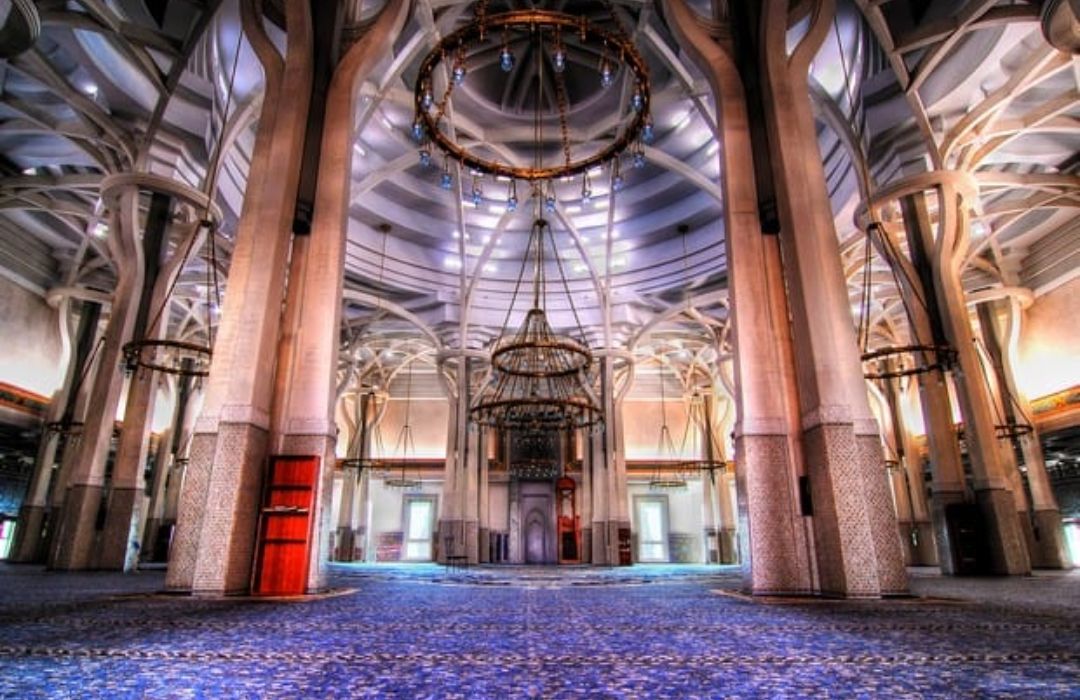
space for dialogue and community building. Designed by celebrated Italian
architect Paolo Portoghesi, the complex draws on Rome's Baroque masters,
including Bernini and Borromini, as well as classical Roman architecture,
blending tradition with modern vision.
Toschi noted the symbolism
of an Italian, Roman Catholic architect designing Europe's largest mosque in the
heart of Rome, framing it as a powerful expression of postmodern dialogue. He
also connected the project's themes to present-day challenges, including the
ethical governance of artificial intelligence, drawing on the philosophy of
Italian scholar Umberto Eco to emphasize that cross-cultural connection must be
grounded in shared values.
The ambassador thanked
Qatar Museums Chairperson H.E. Sheikha Al Mayassa bint Hamad Al Thani and
Museum of Islamic Art Director Sheikha Al Nasser for their support, along with
contributors from Sapienza University and the Islamic Cultural Centre of Italy.
Dr. Abdellah Redouane,
Secretary General of the Islamic Cultural Centre of Italy, traced the mosque's
origins to 1966, when six Muslims founded an association seeking a shared place
to pray. The project gained legal recognition in 1974, with land allocated by
Rome's City Council in 1975. Following an international design competition,
Paolo Portoghesi, Vittorio Gigliotti, and Sami Mousawi were selected as
architects. Construction began in 1984 and the mosque was finally inaugurated
in 1995.
Redouane described the
mosque as a lasting European landmark - not just for its scale, but as proof
that a Muslim community can thrive with visibility, stability, and active civic
participation while preserving its religious identity. He praised Qatar's
example as both a model and a source of inspiration for fostering understanding
across communities.
The Doha exhibition uses immersive technology to bring the mosque's heritage to audiences who may never have visited the site in person, with organizers hoping the display will inspire future visits to the original landmark in Rome.
Join on Rehaab Online WhatsApp Group (Click here to join the group)

Follow Rehaab Online Instagram for More Updates (Click here)