



World Mental Health Day 2026 - October 10
Human life is a mixture of happiness and sadness,
success and failure, hope and disappointment. Yet, unlike physical pain,
emotional suffering is often invisible and difficult to recognise. While wounds
on the body can be seen, wounds of the mind often remain silent. This is why
listening to and understanding the experiences of people living with mental
health difficulties is so important.
The theme of World Mental Health Day 2026, “Lived
Experiences Heard: Real Voices, Real Change,” highlights the importance of
listening to the real-life experiences of people who have faced mental health
challenges. We can learn about an illness from books and academic knowledge,
but the experience of someone who has actually lived through it can often teach
us something deeper.
See the person,
not just the illness
One of the most important principles in mental
healthcare is not to define a person solely by their diagnosis.
When we refer to someone simply as a “depression
patient,” “person with schizophrenia,” or “person with bipolar disorder,” we
may unintentionally overlook the individual’s personality, abilities, dreams
and hopes.
Behind every diagnosis is a person-with a family,
relationships, aspirations, talents and a unique understanding of life.
Therefore, the goal of treatment should not be limited
to reducing symptoms. Mental healthcare should also help a person return to a
meaningful life-to learn, work, maintain relationships and participate in
society with dignity and self-respect.
“Please listen
to me”
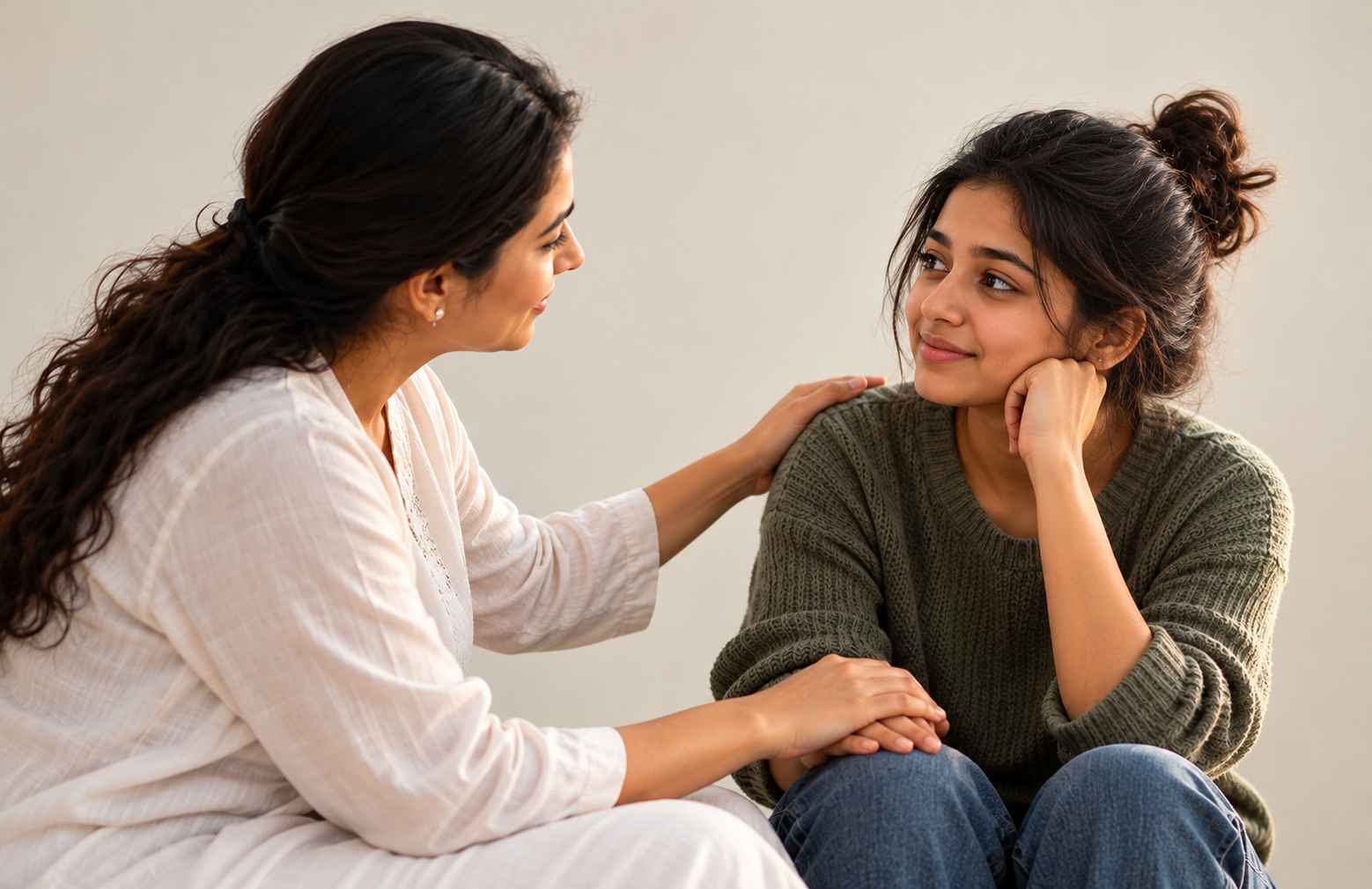
For someone experiencing emotional distress, what they
need first may not be advice. They may simply need someone who is willing to
listen.
Statements such as:
“Everyone has problems like this.”
“Don’t think about it too much.”
“You just need to control your mind.”
may be said with good intentions. However, to someone
who is struggling, such words can make them feel that their pain is not being
recognised or understood.
Instead, a more supportive approach would be:
“What are you experiencing?”
“I am here to listen to you.”
“If you need help, we can find it together.”
Listening is not merely hearing someone’s words. It is
an effort to understand another person’s experience without immediately judging
or evaluating it.
The voice of people
with lived experience matters
In mental healthcare, alongside the perspectives of
clinicians and researchers, the experiences of people who have lived with
mental health conditions-and those of their families-must also be valued.
How did the person experience the treatment? What
difficulties did they face in accessing care? How did society respond to them?
What challenges did they experience in education, employment, marriage and
friendships?
Answers to these questions can make our understanding
of mental health conditions much more comprehensive.
When we genuinely listen to a person’s lived
experience, we may discover many ways in which the quality of mental healthcare
can be improved.
Stigma remains
a major barrier
Stigma surrounding mental health problems continues to
prevent many people from seeking timely treatment.
“What will people think?”
“Will it bring shame to my family?”
“Will it affect my job?”
“Will it create problems for my marriage?”
Such fears often lead people to delay seeking
professional help.
A mental health condition is not a character flaw. It is a health condition that may require appropriate treatment and support. Just as people seek medical care for heart disease or diabetes, seeking professional help for mental health problems when needed should be considered a normal part of healthcare.

The family as
an important part of recovery
Families have an important role in the recovery of
people experiencing mental health difficulties.
Understanding rather than blaming, supporting rather
than ridiculing, providing appropriate independence rather than excessive
control, and cooperating with treatment can all contribute to recovery.
At the same time, the mental health of caregivers must
also be protected. Family members caring for someone with a mental health
condition may themselves experience exhaustion, anxiety and frustration.
Therefore, “care for the caregiver” is also an important part of mental
healthcare.
It ss time for society
to change
Mental health is not the responsibility of hospitals
and mental health professionals alone. Schools, colleges, workplaces, families,
the media and community organisations all have an important role to play.
True inclusion means ensuring that people living with
mental health conditions are not isolated but remain an accepted and valued part
of society.
When a person recovers and returns to the community,
they should have opportunities to work, study and maintain meaningful social
relationships.
Recovery is not merely the absence of symptoms; it is
also the return to a meaningful and fulfilling life.
From listening
to change
This year’s theme reminds us of an important truth: real
change requires us to listen to real voices.
When we talk about mental health, it is time not
merely to talk about people with mental health conditions, but to talk with
them.
Listening carefully to someone’s words may seem like a
small act. But sometimes, being heard can encourage a person to seek treatment.
Sometimes, it can help someone overcome isolation. Sometimes, it can change the
way an entire family understands mental health.
Therefore, on this World Mental Health Day, let us
make a simple commitment:
Let us listen without judging.
Let us respect people’s lived experiences.
Let us guide them towards professional help when
needed.
Let us work to reduce the stigma surrounding mental
health.
And let us ensure every person has the right to live
with dignity and self-respect.
Because one voice that is truly heard can change a
life. And when many voices are heard, an entire society can change.
Join on Rehaab Online WhatsApp Group (Click here to join the group)