



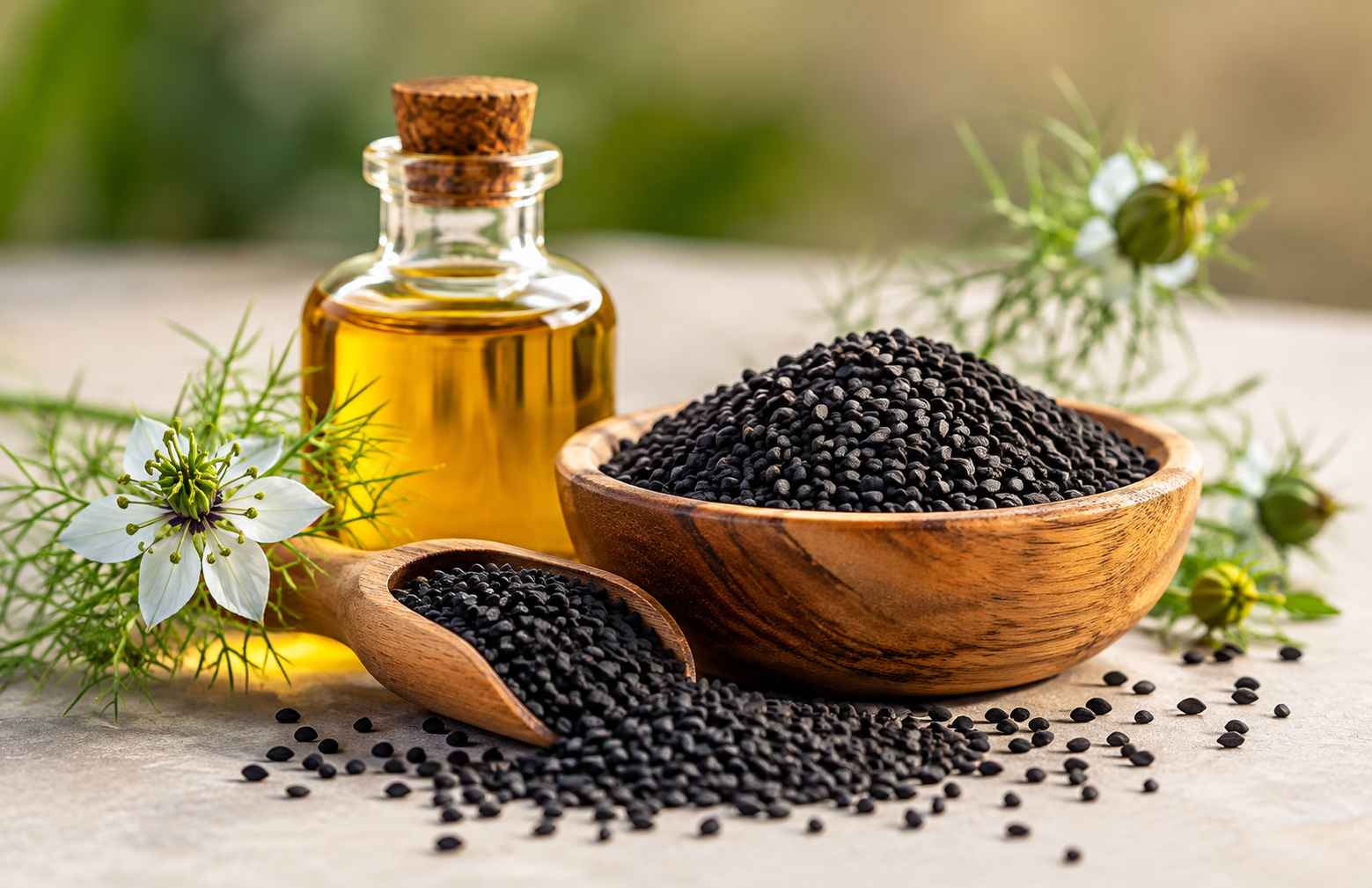
Black
seed, also known as Nigella sativa or black cumin, has been used in
traditional medicine for centuries. Today, researchers are examining its
potential effects on inflammation, oxidative stress and metabolic health. While
it is often promoted as an immunity booster, its possible benefits may extend
beyond immune support.
A
key compound in black seed is thymoquinone,
which has demonstrated antioxidant and anti-inflammatory properties in
laboratory and experimental research. Oxidative stress is associated with
cellular damage and plays a role in several chronic conditions, which is why
thymoquinone has attracted scientific interest.
Potential health benefits
Research
suggests that black seed may offer several potential benefits:
What does the evidence actually say?
The
scientific evidence is promising but should be interpreted carefully. Studies
have investigated black seed oil, seeds and extracts in different doses and
formulations, making it difficult to determine a single effective dose or
predict the same results for everyone.
Importantly,
black seed is not a miracle cure.
Although laboratory studies and some human clinical trials have reported
beneficial effects, larger and better-designed studies are still needed to
establish how effective it is for specific health conditions.
Black
seed may therefore be viewed as a potential
supportive addition to a healthy lifestyle, rather than a replacement
for prescribed medicines or medical treatment. People taking medication,
particularly for blood sugar or blood pressure, should speak with a healthcare
professional before using concentrated black seed supplements regularly.
Join on Rehaab Online WhatsApp Group (Click here to join the group)