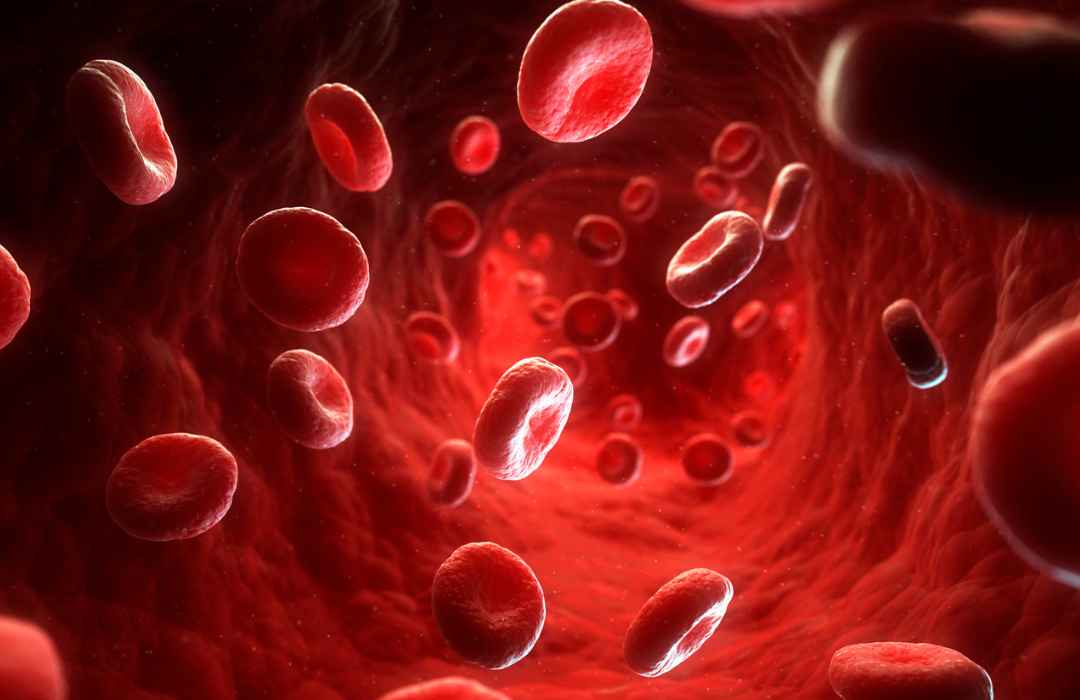
An international team of scientists from Britain, Sweden, and France has identified a groundbreaking mechanism involved in blood clot formation, challenging long-held beliefs about the arrangement of fibrinogen protein molecules.
Researchers at the Institut Laue-Langevin (ILL) in Grenoble, France, discovered that when fibrinogen molecules encounter air, they organize in horizontal, multi-layered formations akin to a bundle of leaves, rather than the single inclined layer previously assumed.
This breakthrough could lead to new treatments for blood-clotting disorders such as hemophilia and improved glucose monitoring for diabetes patients. Additionally, the discovery may impact the treatment of acute respiratory distress syndrome (ARDS), as fibrinogen leakage into the alveoli during pneumonia can provoke clot formation and cause respiratory failure.
Follow Rehaab Online Instagram for More Updates (Click here)