




Photo: QNA
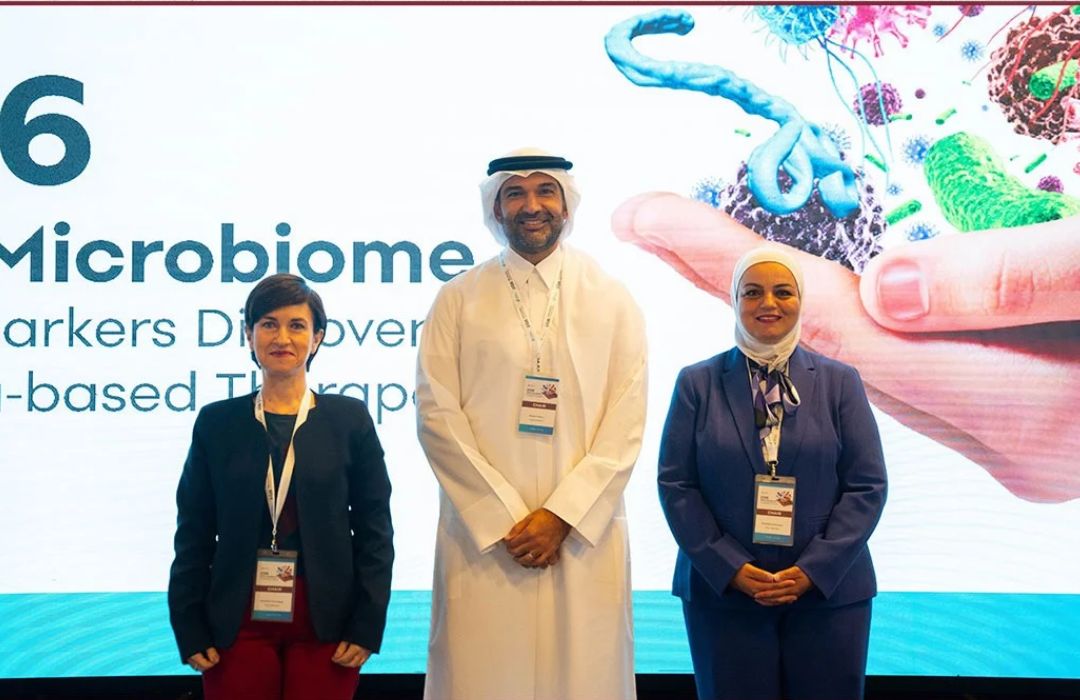
Doha, Qatar: Sidra Medicine, a member of Qatar Foundation, opened the second MENA Microbiome Conference in Doha under the theme "From Biomarkers Discovery to Microbiota-based Therapeutics." The first day brought together researchers, physicians and industry experts to explore how microbiome science can improve disease prevention and treatment, with a strong focus on women's and children's health and precision nutrition.
The
highlight of the day was the announcement of QMicrobe, an initiative to
establish Qatar's first dedicated pediatric donor stool bank for therapeutic
research. Led by Dr. Souhaila Al Khodor, the program will combine carefully
screened donor samples, clinical assessments, advanced metagenomic sequencing
and computational analysis to identify microorganisms with therapeutic
potential. It is supported by a Joint Funding Call from the Qatar Research
Development and Innovation Council and the Ministry of Public Health, and is
being developed in collaboration with Cambridge University's Dr. Majdi Osman.
Dr.
Al Khodor said the initiative could support future research into metabolic
disorders, inflammatory and autoimmune diseases, infections and certain
neurodevelopmental conditions. While QMicrobe will first focus on building
research infrastructure and demonstrating feasibility, its long-term goal is to
enable microbiome-based therapies and clinical studies in Qatar, generating
data that reflects the country's diverse population.
The conference also spotlighted a new Sidra Medicine study, led by Dr. Annalisa Terranegra with Oxford University's Wellcome-Shoklo Malaria Research Unit, examining how the type of fat a mother eats during pregnancy shapes her child's brain development and risk of neurodevelopmental disorders such as autism and ADHD. Funded by the Waterloo Foundation, the research follows mother-baby pairs over 18 months and will be validated in Sidra's zebrafish facility. It aims to deliver precise dietary guidance for pregnant women, supporting the goals of the Qatar Foundation's Autism Strategy 2025–2035, with findings expected to be relevant across the Gulf region and beyond.