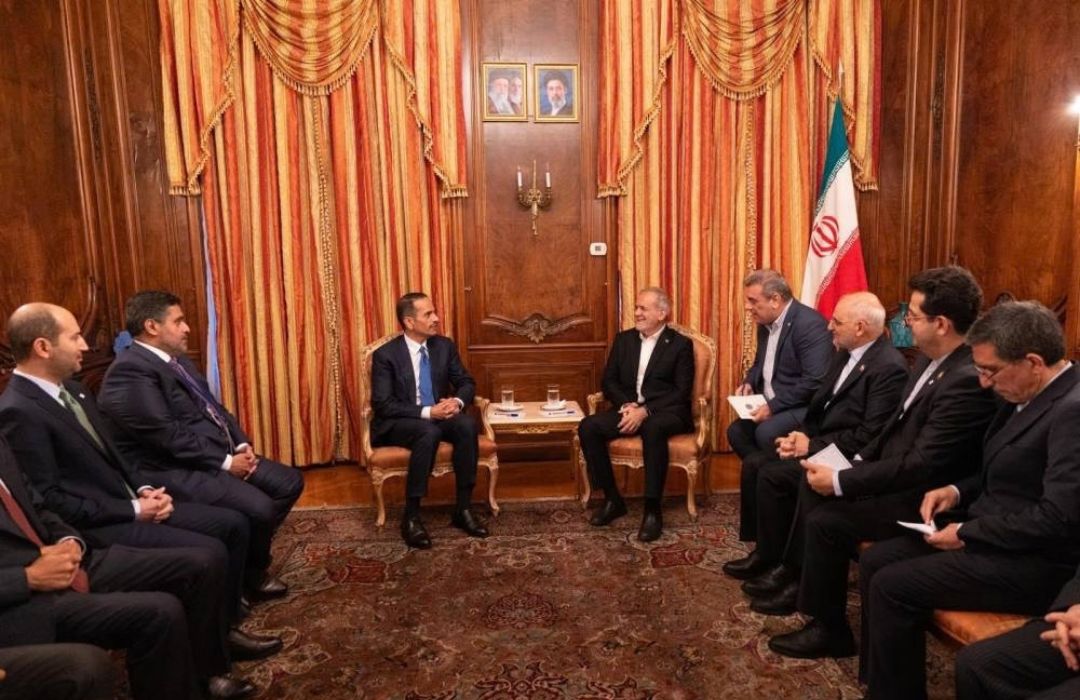




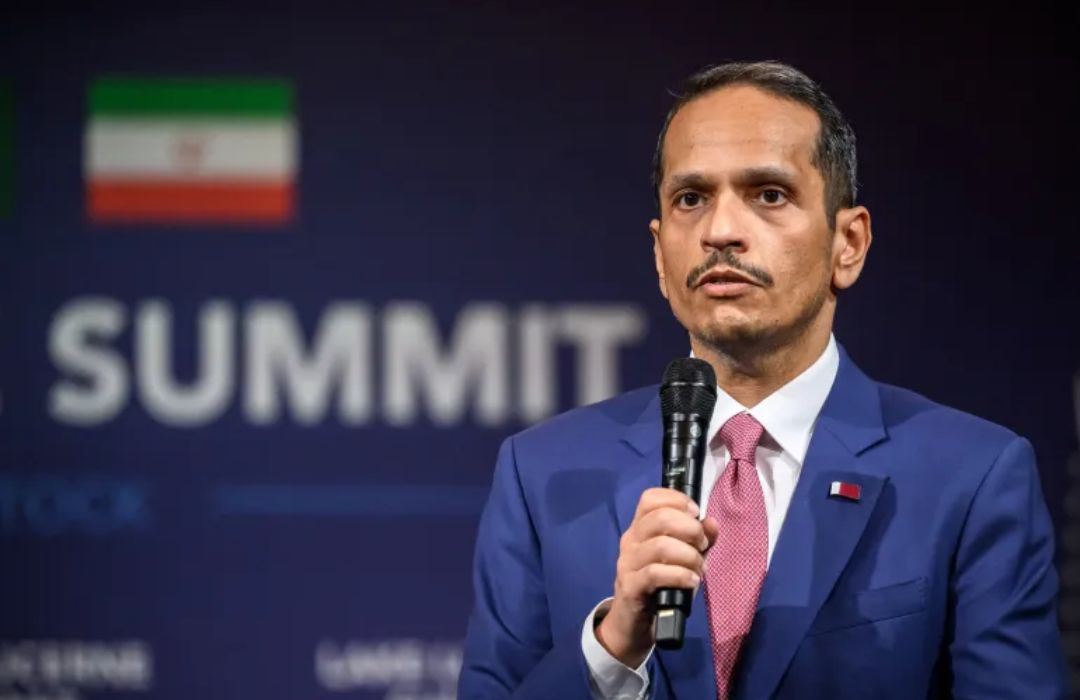
Doha: Prime Minister and Minister of Foreign
Affairs HE Sheikh Mohammed bin Abdulrahman Al Thani has said indirect talks
between the United States and Iran held on the sidelines of the UN General
Assembly have made "some positive progress," expressing hope that
diplomacy can ultimately resolve the conflict.
In an interview with CNN's Christiane
Amanpour, the Prime Minister said Qatar had been working for weeks to bring
US-Iran diplomacy back on track after the two sides' memorandum of
understanding fell short. "Yesterday, we had the indirect talks between
the two parties, and I believe there were some positive progress in these
talks," he said. "We have sensed that from both parties that they
want to see some positive progress," he added, while stressing that
details could not yet be disclosed. "In these kind of situations, normally
it's better to stay away from the public eyes until it gets mature. But we are
really hopeful that diplomacy can prevail at the end."
On the impact of the conflict and the US
blockade, Sheikh Mohammed said the entire world was under pressure, including
Iran, and that Gulf countries were also affected because restrictions on
navigation were making it difficult for Qatar to move ships. He described the
insecurity in the Strait of Hormuz as "unacceptable," saying the
waterway had always been an international waterway and that the world needs to
come together to address the issue. Qatar, he said, rejects "any blockade
or any blackmailing by any country or any party."
Asked how the war could be ended, Sheikh
Mohammed said an agreement remained the only viable path. "There will
never be a military victory," he said, warning that further escalation
would affect the global economy. On the conflict's impact on Qatar, he said the
country had been "affected significantly," pointing to damage
affecting Al Udeid Air Base and Qatar's LNG facilities, and stressed the
importance of transparency. He said Qatar's development model would continue to
focus on prosperity, partnerships, and connectivity. On defence ties with the
US, he described the relationship as highly valuable and said Qatar was
examining ways to strengthen the partnership.
On Gaza, Sheikh Mohammed accused Israel of failing to fulfil its commitments under the Sharm El-Sheikh agreement, saying Israel had not withdrawn as required and alleging that continued military operations and restrictions on humanitarian assistance were undermining the ceasefire. He said humanitarian assistance was supposed to reach Gaza at an average of at least 600 trucks a day, while the average had been around 150. He rejected allegations that Qatari financial assistance to Gaza had funded Hamas's military wing, calling the accusations "baseless" and saying assistance had been provided with the coordination and consent of the United Nations and Israeli authorities. On allegations surrounding "Qatar Gate," he dismissed them as "absurd," accusing successive Israeli governments of using Qatar as a scapegoat.
Join on Rehaab Online WhatsApp Group (Click here to join the group)