



Beijing:
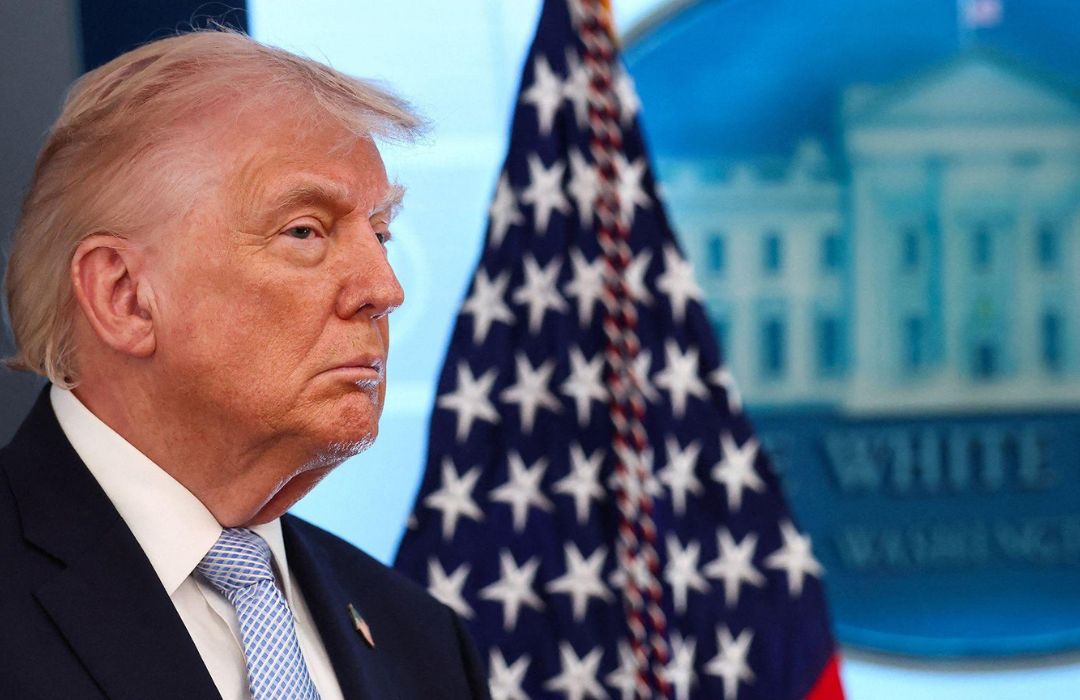
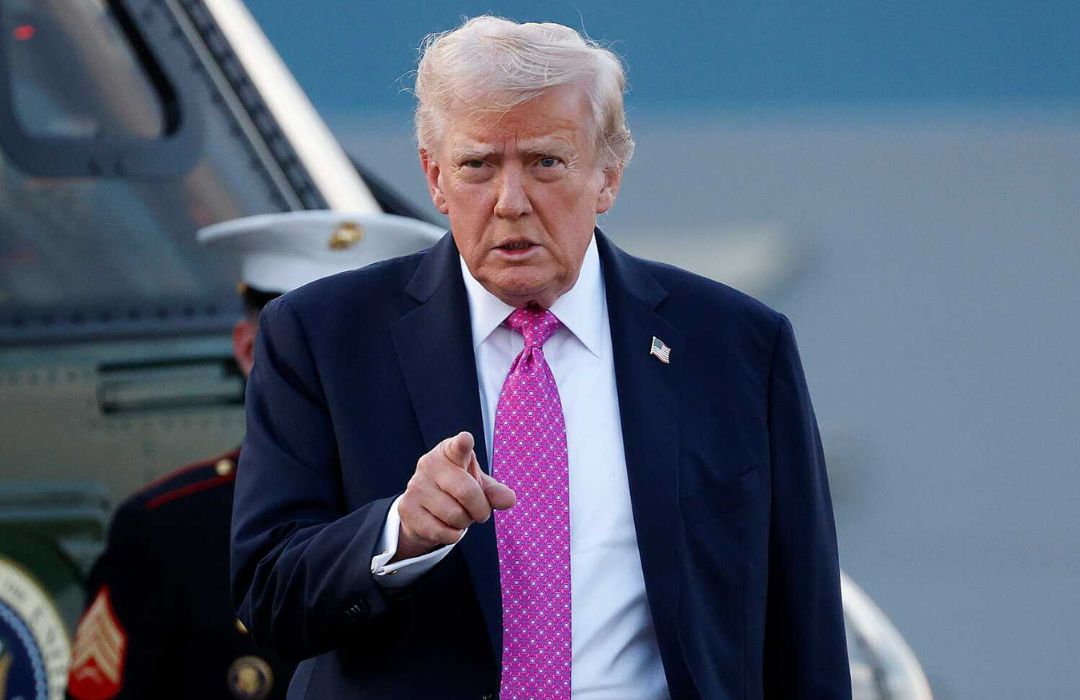
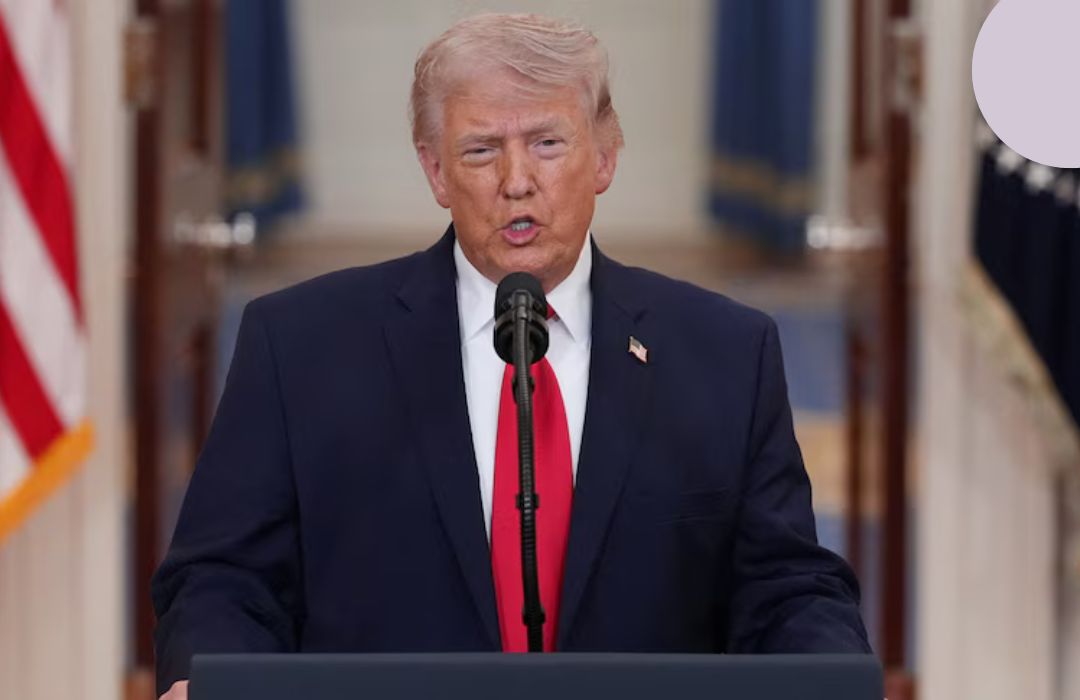
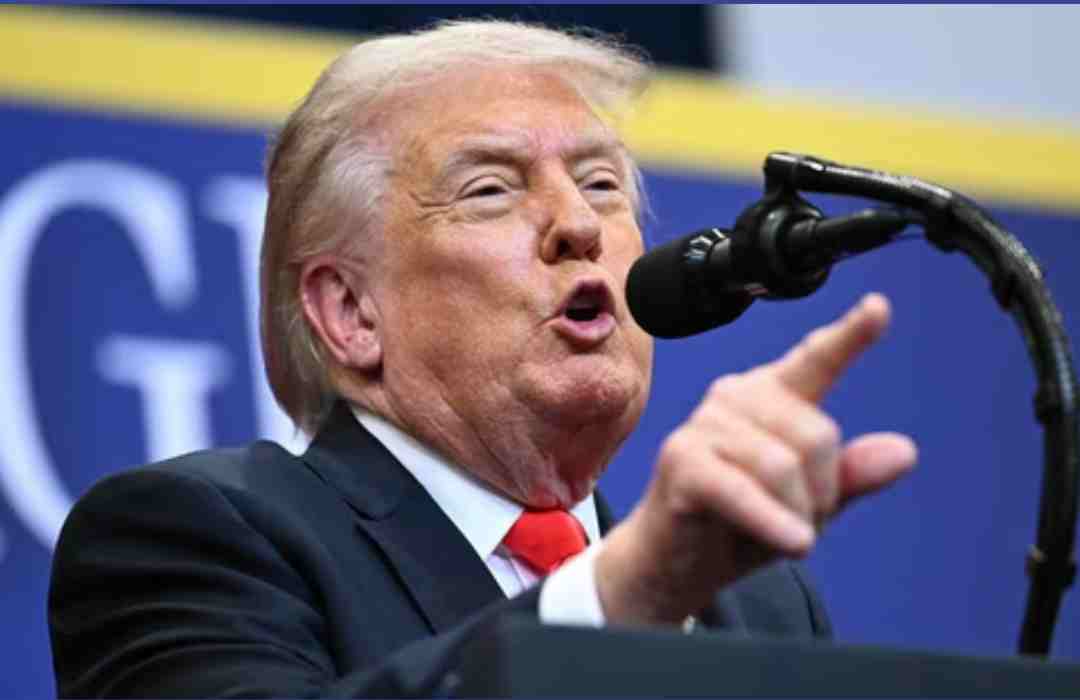
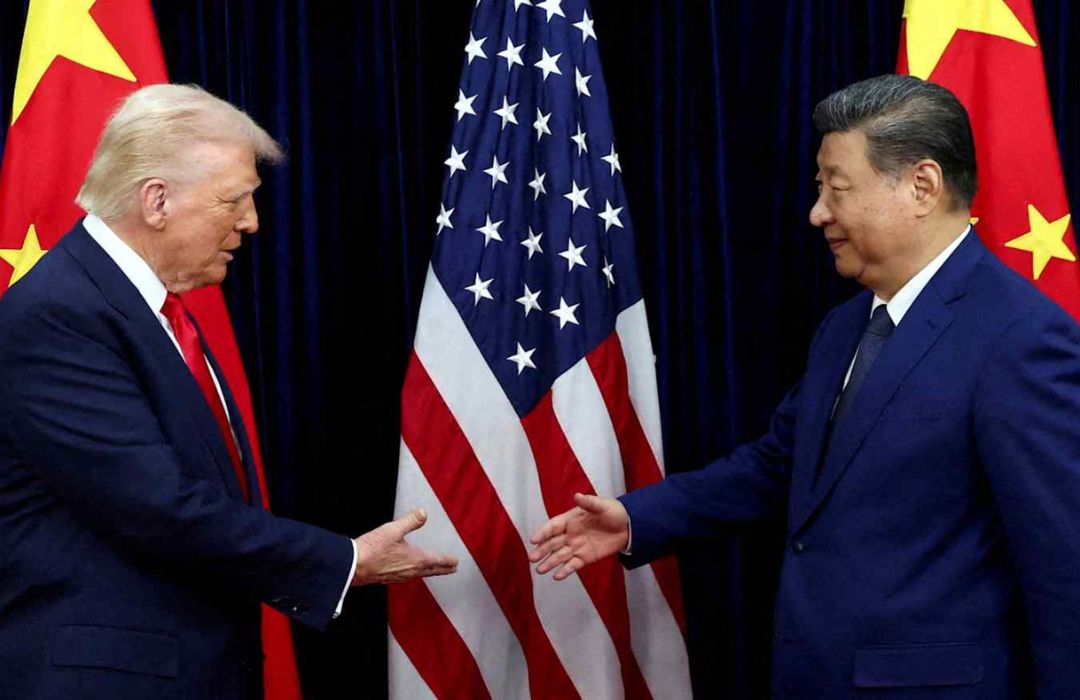
U.S. President Donald Trump is due to arrive in China this evening for a high-stakes summit
with Xi Jinping, but he arrives with significantly narrowed ambitions compared
to his bold predictions of trade dominance just one year ago. While Trump once
claimed that massive tariffs would force America's primary economic rival into
submission, his leverage has been blunted by domestic court rulings and a
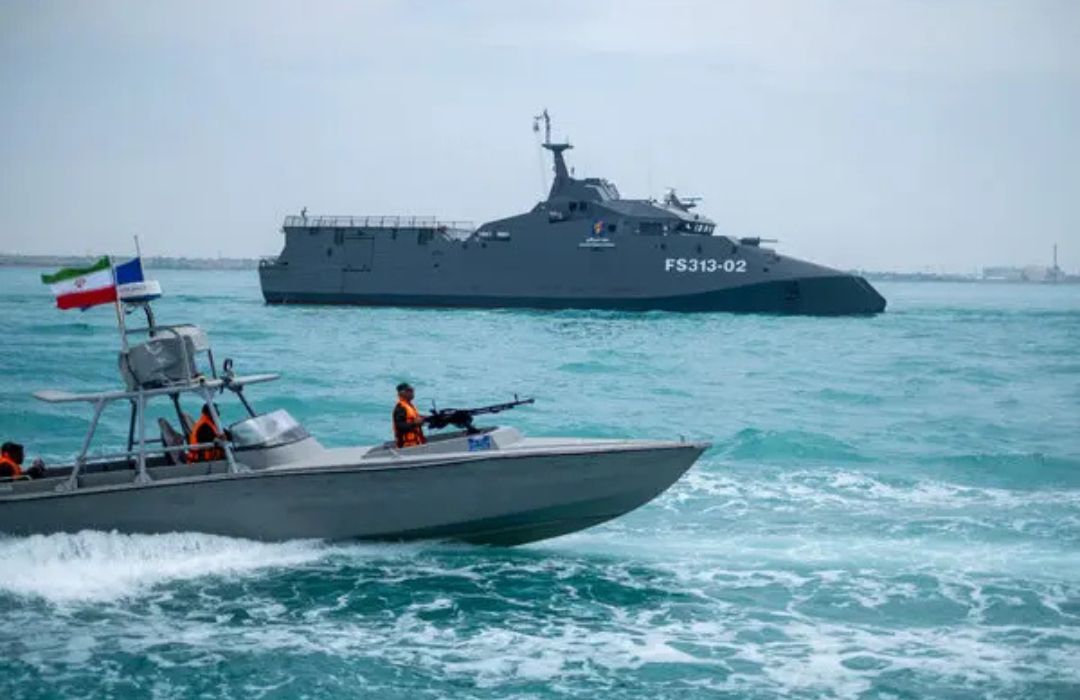
sagging approval rating driven by the unpopular war with Iran. Consequently,
political analysts suggest that Trump now needs China more than China needs
him, as he desperately seeks a foreign policy victory to demonstrate global
stability ahead of the November midterm elections.
The
upcoming meetings at the Great Hall of the People and the Temple of Heaven are
expected to produce modest deliverables, likely limited to a few agricultural
and industrial deals involving Boeing jets, beef, and beans. Beyond economics,
Trump’s agenda includes enlisting China’s help to persuade Tehran to end the
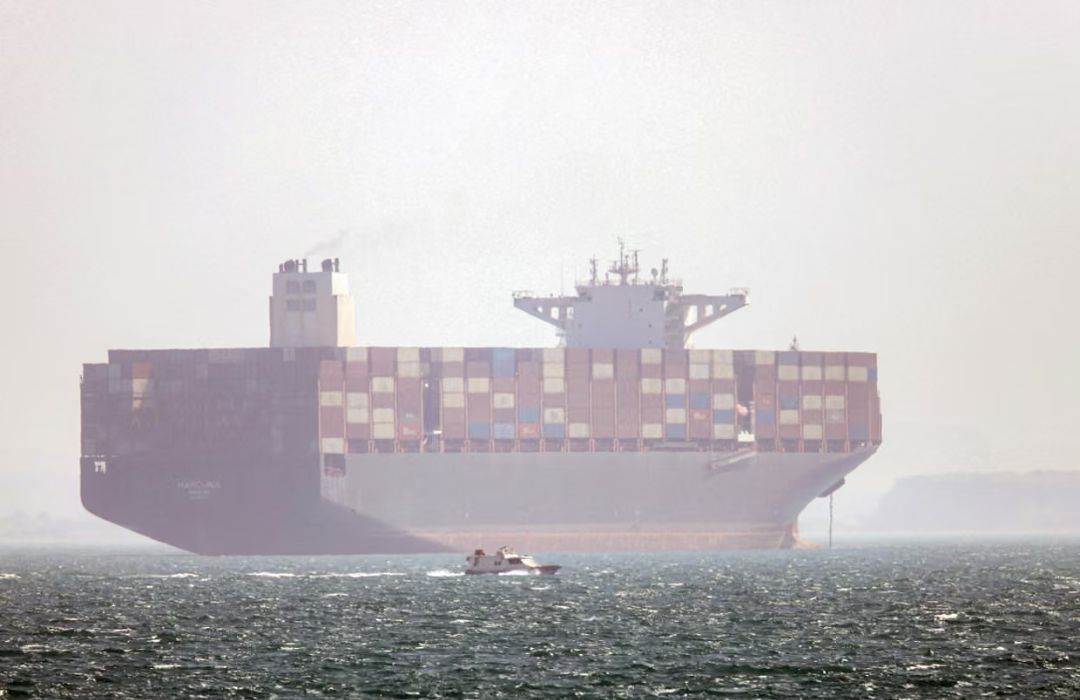
conflict in Iran, as China remains a major consumer of Iranian oil and
maintains diplomatic ties that Washington currently lacks. Trump has also
indicated he will raise sensitive issues such as arms sales to Taiwan, the
imprisonment of media tycoon Jimmy Lai, and the release of two Americans held
by China for over a decade.
China,
meanwhile, has used the time since the leaders' last truce to sharpen its own
economic toolkit, including tightening controls on rare earth minerals and
enacting laws to punish foreign entities that shift supply chains away from
Chinese shores. Beijing’s primary goals for the summit involve securing a
rollback of U.S. technology export controls on advanced memory chips and
chipmaking equipment, while seeking a commitment from Trump to avoid future
retaliatory trade actions. On the geopolitical front, Chinese advisors are
pushing for a clear statement from Washington that it will not support
Taiwanese independence or encourage separatist agendas.
Despite the grand ceremonial setting of the visit, which includes a state banquet and a business delegation featuring CEOs like Elon Musk and Tim Cook, experts warn that the most probable outcome is a superficial ceasefire. With a growing majority of the American public now favoring friendly cooperation over confrontation, simply extending the current trade truce and maintaining a semblance of stability may be enough for Trump to claim a domestic win, even if the resulting agreement largely favors China's long-term strategic position.
Join the Rehaab Online WhatsApp group for timely updates (Click here to join the group)