




Doha: Qatar's Deputy Prime Minister has
warned that global energy shockwaves from the US-Israel war on Iran have yet to
reach their peak, raising concerns about further disruption to supplies,
international trade, and economic growth.
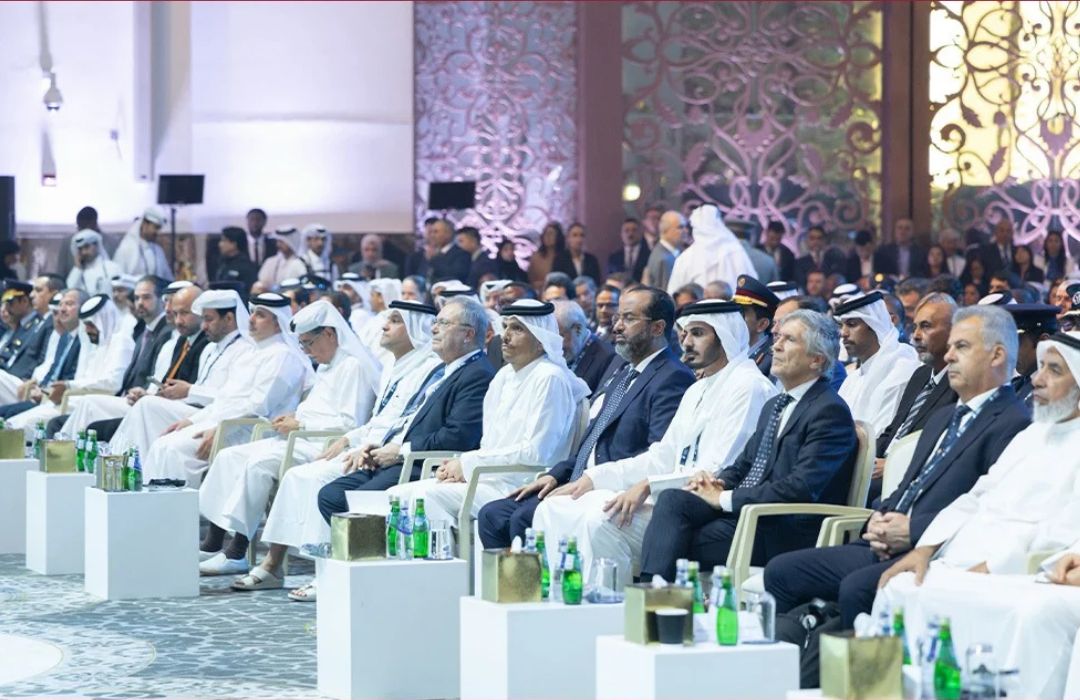
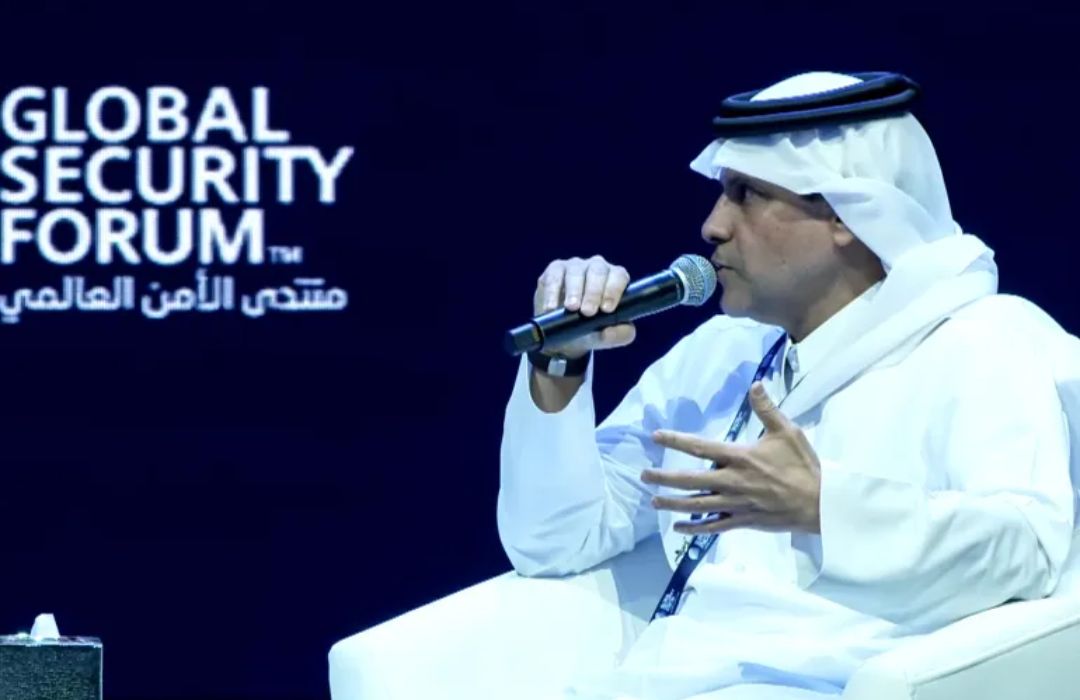
Speaking at the Global Security Forum in
Doha, Sheikh Saoud bin Abdulrahman Al Thani, who also serves as Minister of
State for Defence Affairs, identified several threats facing Qatar and the
wider Gulf, including risks to sovereignty and disruptions to energy supplies.
"We haven't reached the peak with respect to energy," he said,
warning of further repercussions "in the coming days and months."
His remarks come amid continued instability
in the Strait of Hormuz following the US-Israeli attacks on Iran on February 28
and Tehran's retaliatory strikes across the region. Iranian strikes on Qatar's
Ras Laffan industrial complex in March damaged facilities, with repairs
expected to take several years. "We were surprised," Al Thani said
when asked about the attack, adding that there had since been "a lot of
discussion with Iran." He said Qatar had drawn lessons from the strikes
"to make sure that all of our assets will be protected from any unexpected
attack."
Al Thani also warned against imposing tolls
on ships passing through the Strait of Hormuz. "Transit fees should not be
applied," he said, adding that uncertainty over the waterway would
ultimately affect consumers worldwide. Despite the attacks, he said Qatar
continued to maintain contact with Tehran. "We never stop our
communication," he said, adding that the two countries remained in touch
at different levels despite their disagreements. He expressed hope that
mediation efforts involving Qatar, Pakistan, and Oman would help produce an
agreement between the US, Iran, and other parties, including Israel, saying a
sustainable settlement would require broader regional dialogue involving GCC
countries, Pakistan, and Turkiye.
On defence, Al Thani highlighted Qatar's longstanding partnership with Washington, saying that "more than 90 percent" of attacks had been prevented through shared expertise and military capabilities. He said Qatar was continuing to develop Al Udeid airbase, which hosts US forces, and announced plans for a new regional defence partnership prioritising air defence, counter-drone measures, and cybersecurity. He stressed that Qatar's mediation efforts did not diminish its commitment to defending its territory. "Mediation doesn't mean that we should not be ready for any defensive action from our side," he said.
Join on Rehaab Online WhatsApp Group (Click here to join the group)