


Doha, Qatar: In a
major step towards strengthening educational equity and social solidarity, 46
private schools and kindergartens across Qatar have collectively provided more
than 4,000 free and discounted educational seats for eligible students, under
the Ministry of Education and Higher Education’s (MoEHE) “Community
Responsibility of Private Schools and Kindergartens” initiative.
Launched
in October last year, the project reflects the growing commitment of the
private education sector to support families in need and contribute to national
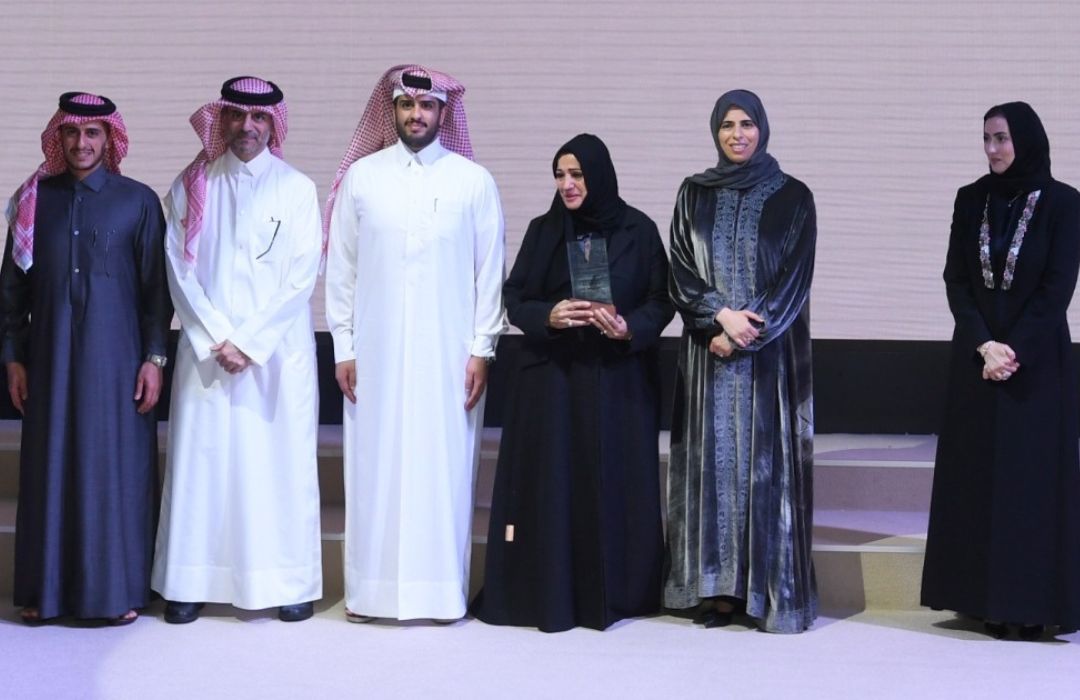
human development goals. During a recent ceremony, the Ministry announced that
the number of seats has crossed 4,000, with the estimated value of free seats
over a ten-year period exceeding QR18.6 billion, underscoring the long-term impact
of private sector participation in education.
The
event was attended by H E Dr. Ibrahim bin Saleh Al Nuaimi, Undersecretary of
MoEHE, along with assistant undersecretaries, private school license holders,
and school and kindergarten directors.
Speaking at the event, Assistant Undersecretary
for Private Education Affairs Omar Abdulaziz Al Naama described the initiative
as a key national milestone that embodies effective partnership between the
government and the private sector. He emphasized that education in Qatar is not
viewed merely as a service, but as a shared national responsibility and a
strategic investment in human capital.
Al Naama highlighted that Qatar’s development
vision places people at the heart of progress, guided by leadership that considers
education the foundation of national strength, human dignity, and sustainable
growth. He noted that the provision of thousands of free and discounted seats
reflects deep-rooted Qatari values of social responsibility, solidarity, and
national duty, while strengthening cooperation among all stakeholders.
Dr. Rania Mohammed, Director of the Private
Schools and Kindergartens Department and Acting Director of the Private Schools
Licensing Department at MoEHE, described the initiative as a pioneering national
model for community responsibility in education. She affirmed the Ministry’s
commitment to educational justice, equal opportunities, and supporting
deserving families.
Dr. Rania revealed that participation in the
project has doubled from 21 schools in December to 46 in January, while the
number of curricula offered has expanded from four-national, British, Indian,
and American-to nine. Newly added curricula include International
Baccalaureate, Egyptian, Pakistani, Tunisian, and Syrian systems.
She also highlighted several qualitative
initiatives under the project, including the launch of evening classes at the
Syrian School with a capacity of up to 500 students, offered at the lowest
approved tuition fee in private education at QR3,000 per seat. This initiative
was implemented in coordination with the Ministry, the Syrian Embassy in Doha,
and the school’s administration to widen access to affordable education.
In another notable contribution, the Modern
British International School has launched a fully free evening session offering
more than 400 seats, setting a strong example of institutional social
responsibility.
Dr. Rania added that the project has also drawn
support from business leaders, with individual businessmen and businesswomen
sponsoring students in low-cost schools through annual financial contributions,
further strengthening community participation.
She further
announced the launch of the Community Responsibility Framework for private
schools and kindergartens, developed since the 2024–2025 academic year. An
annual award will be introduced from the 2026–2027 academic year to recognize
institutions that excel in community responsibility, with the framework set to
be applied across all private schools and kindergartens in Qatar.