




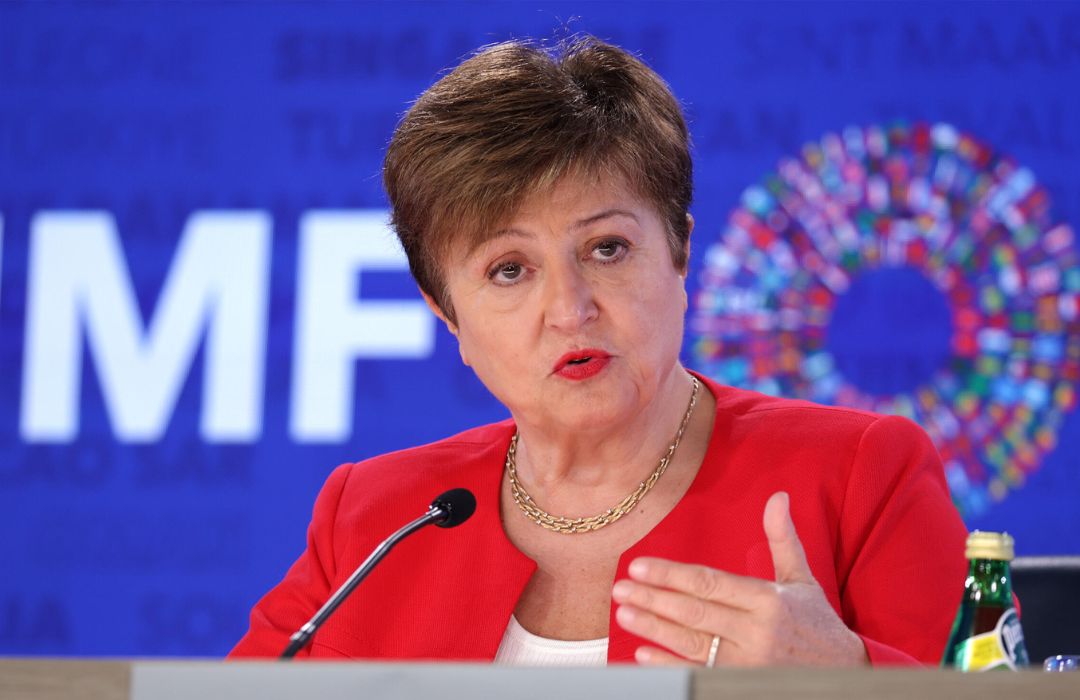
Bangkok: International Monetary Fund Managing
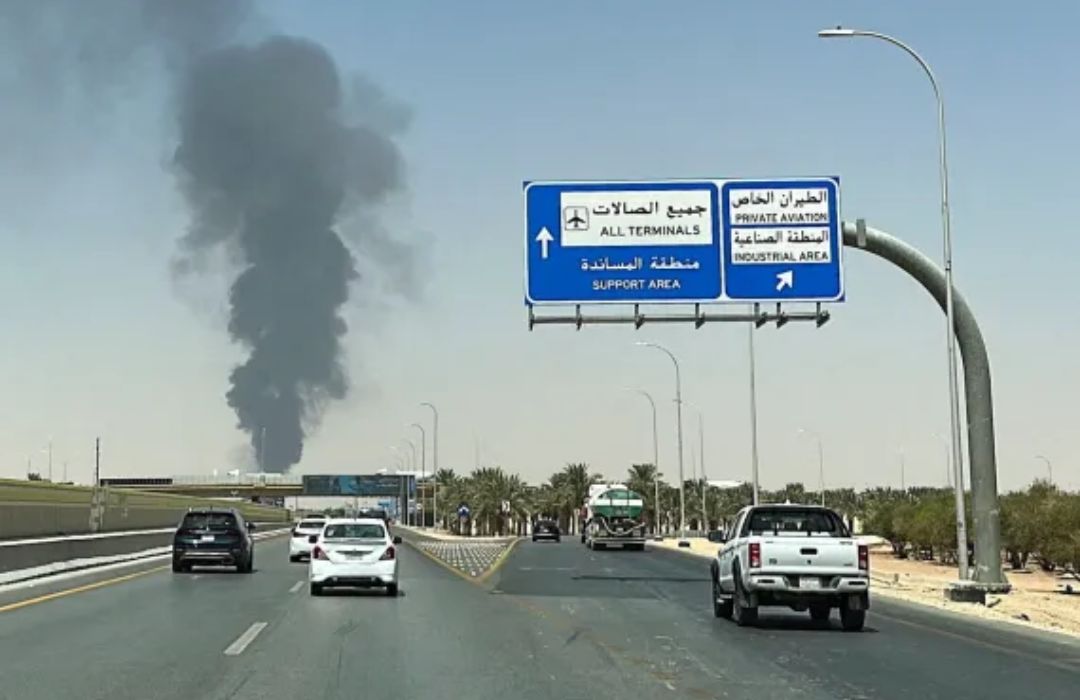
Director Kristalina Georgieva has said that developments in Saudi Arabia
potentially have "negative spillovers for everybody everywhere."
Speaking at the IMF Managing Director's
briefing on the Global Policy Agenda during the 2026 IMF-World Bank Group
Annual Meetings in Bangkok, she praised Saudi leadership for pursuing
structural reforms in recent years. Georgieva noted the resilience of Saudi
Arabia and the Gulf Cooperation Council, including Gulf diversification efforts
and non-oil sector economic growth before and since the conflict. "This
has put buffers that are now paying great dividends to the authorities and the
people in the Gulf," she said.
Earlier this month, Georgieva said the impact
of the regional war had been significant in reversing the region's growth
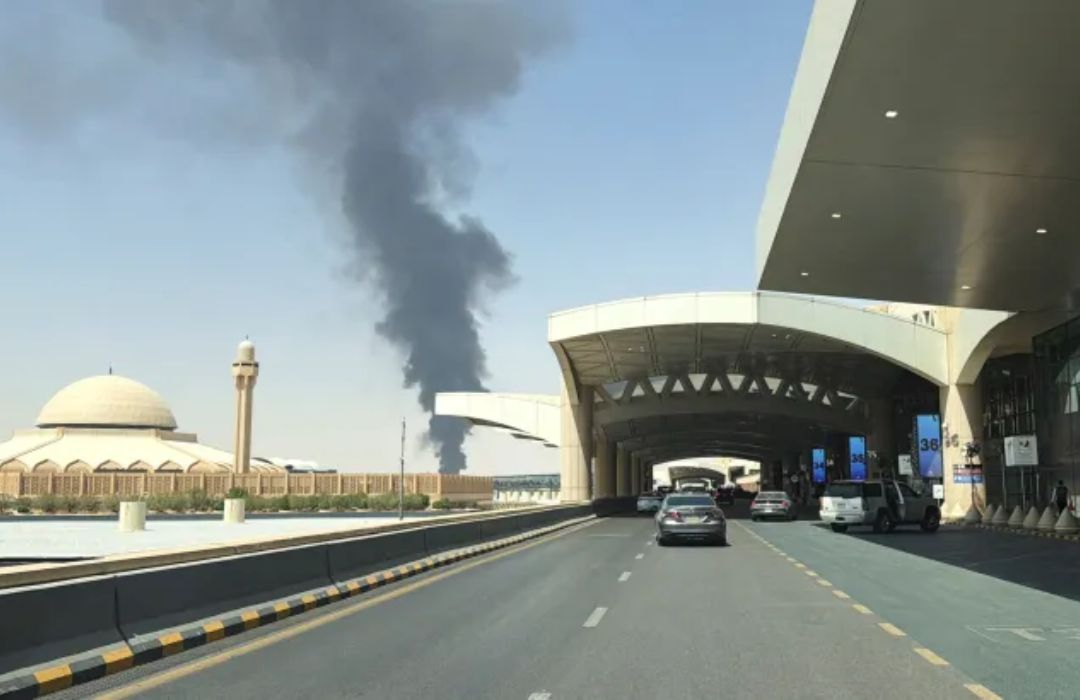
momentum. "The near closure of Hormuz and now disruptions in the Red Sea
have sharply curtailed oil and gas exports; damage to energy facilities has
reduced production capacity; and non-hydrocarbon activity has been constrained
by reduced trade, weaker business confidence, and rising prices of essential
goods," she said at a recent meeting of GCC finance ministers and central
bank governors.
The IMF's October 2026 World Economic Outlook report raised its forecast for Saudi Arabia's economic growth in 2027 to 7.9 percent, up from 5.5 percent projected in July. It revised its forecast for the Kingdom's economy in 2026 to a contraction of 3.3 percent, compared with previous growth of 1.7 percent. The report affirmed that the Saudi economy is more resilient to geopolitical instability than some other regional economies, thanks to diversified energy export routes, and projected inflation would decline to 1.9 percent this year before rising to 2.2 percent in 2027.
Join on Rehaab Online WhatsApp Group (Click here to join the group)

Follow us on Facebook for more updates.