



India
is among the countries most severely affected by the ongoing West Asia crisis,
with the full economic impact still unfolding, according to Harvard University
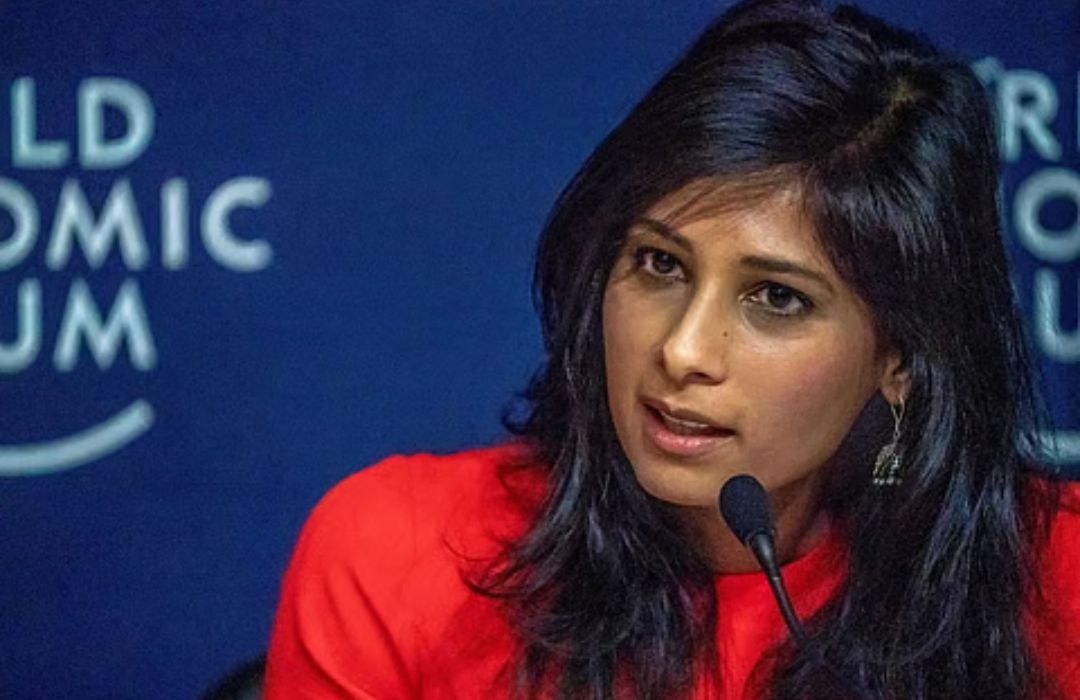
professor and former IMF First Deputy Managing Director Gita Gopinath. She
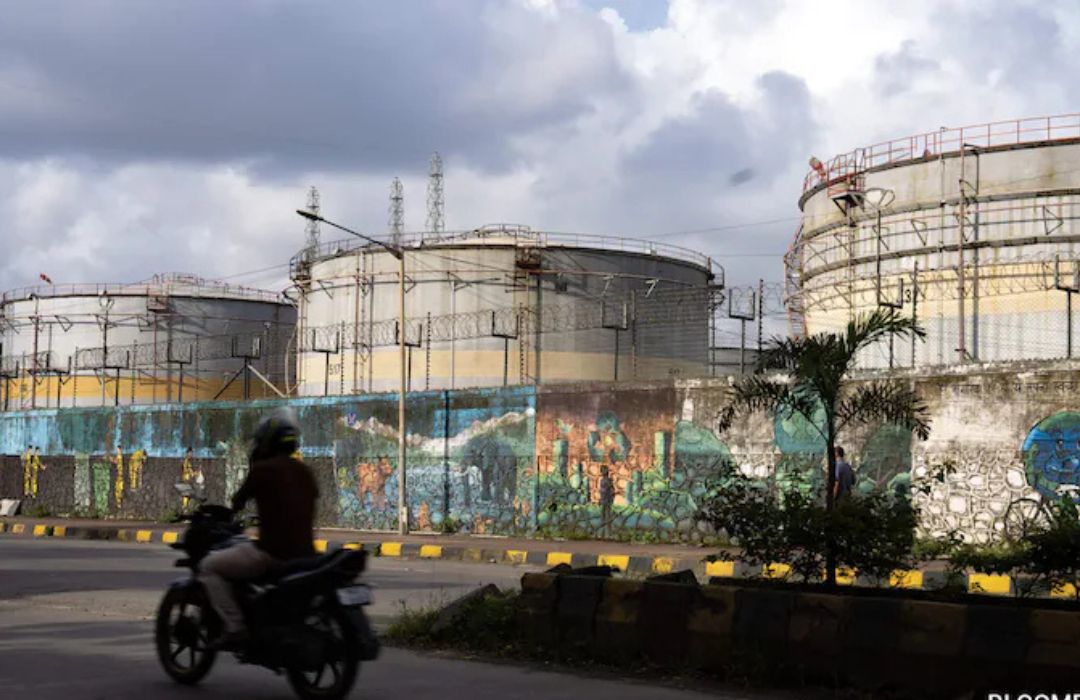
pointed out that India faces direct exposure due to its reliance on oil and gas
imports, strong trade links with the Middle East, and remittances from Indian
workers in the region.
Gopinath
noted that the current crisis is different from previous oil shocks, as the
challenge is not just rising prices but actual supply disruptions. India has already
started experiencing shortages of LPG cooking gas due to halted shipments from
the region.
Beyond
energy, several key commodities including fertilisers, helium, and sulfur have
also been disrupted due to the blockade of the Strait of Hormuz. This has
widened the impact across multiple sectors, making the crisis more complex than
earlier global disruptions.
Despite
the severity, oil prices have not surged as sharply as in past crises. Gopinath
explained that moderate global demand, diversified energy sources, and
increased reliance on renewable energy have helped cushion the immediate
impact, though uncertainties remain.
She also warned of delayed risks, particularly to agriculture, as fertiliser shortages could affect crop production and lead to food inflation later in the year. While India’s economy is still projected to grow around 6.5%, she stressed the importance of accelerating energy independence to better withstand such global shocks.
Join the Rehaab Online WhatsApp group for timely updates (Click here to join the group)