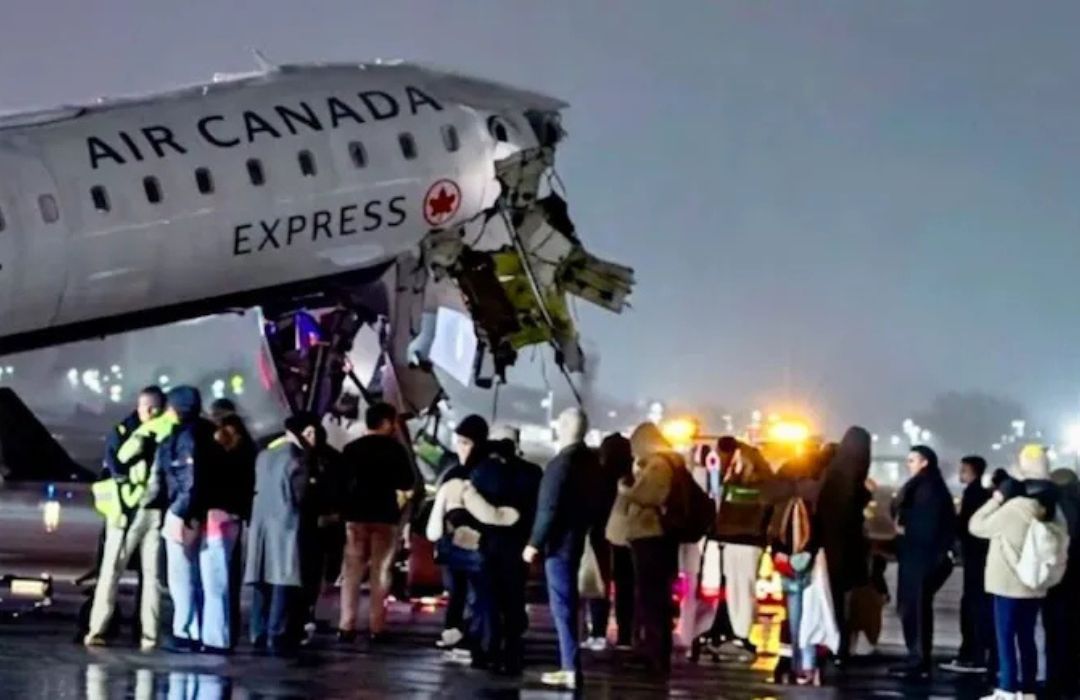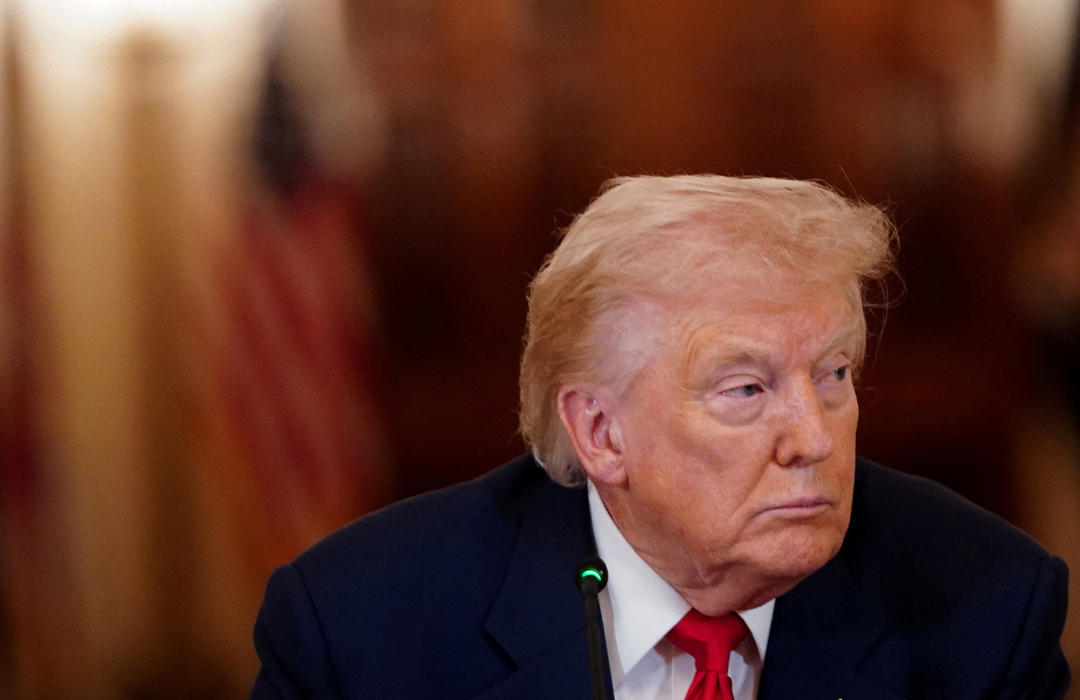






The Philippines has declared a national energy emergency as escalating tensions in the Middle East threaten global fuel supplies and energy stability. President Ferdinand Marcos Jr. issued the declaration citing the “imminent danger” posed to the country’s energy security, particularly due to disruptions linked to the ongoing Iran-related conflict. The move aims to ensure preparedness and safeguard domestic fuel availability.
In an
interview, Marcos warned that the situation could also impact the aviation
sector, raising concerns over a potential shortage of jet fuel. He noted that
limited crude oil supply and slower refining processes are affecting
production, while some countries have imposed restrictions on refueling foreign
aircraft. This has forced airlines to carry additional fuel for return
journeys, complicating international operations and increasing the risk of
flight disruptions, including the possible grounding of aircraft.
Despite
the concerns, Energy Secretary Sharon Garin said the country currently has
sufficient fuel reserves, with supply levels expected to last several weeks.
The Philippines maintains around 45 days of average fuel supply, including
reserves for gasoline, diesel, kerosene, and jet fuel. Authorities are also
coordinating with key supplier countries such as South Korea, Japan, and China
to stabilise supply chains and mitigate the impact of the crisis.