




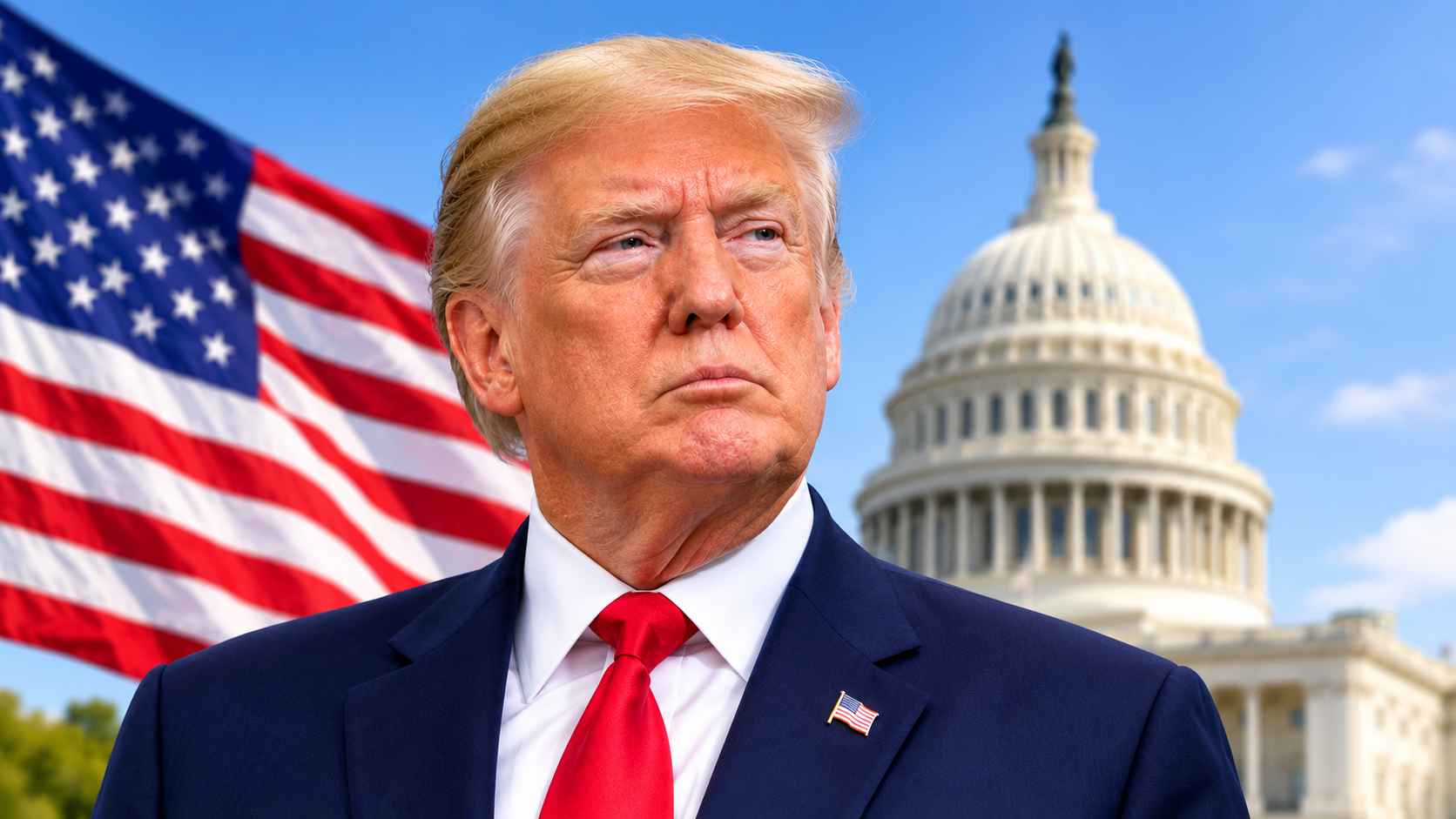
The results of the US midterm elections could have a major impact on American foreign policy, particularly its relations with Iran, Israel and Ukraine.
President
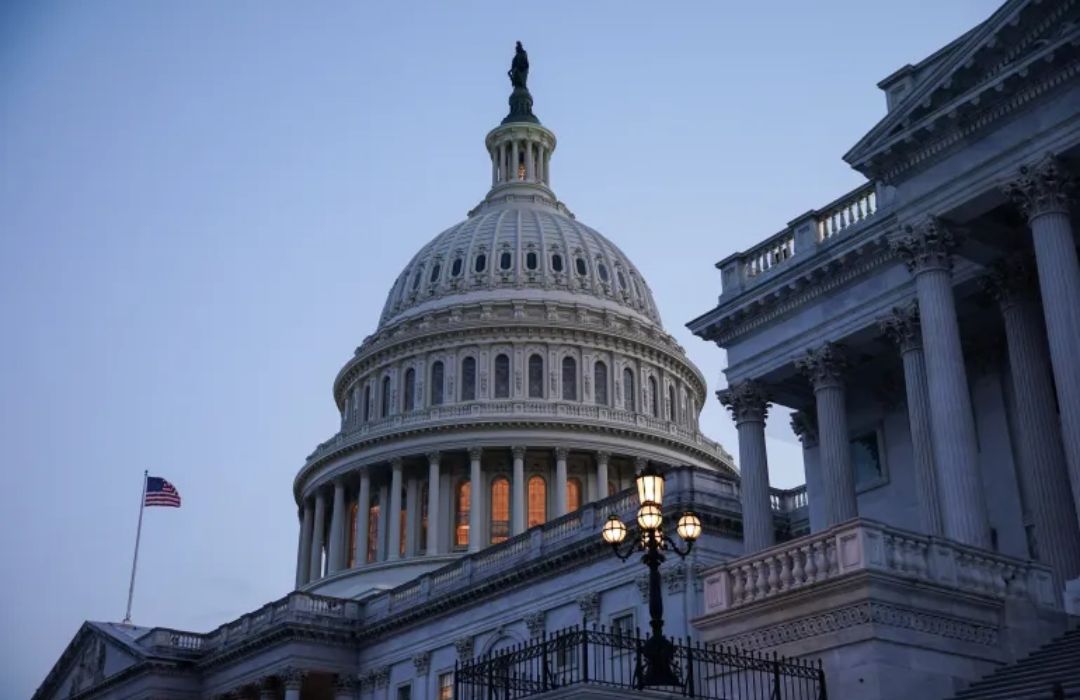
Donald Trump has faced a major political setback after Democrats won control of
both chambers of Congress. The result could make it more difficult for Trump to
carry out some of his plans, while raising questions about the future of US
involvement in international conflicts.
Although
the election results give Democrats more power to challenge the president,
Trump still has considerable authority over foreign policy. The key question is
whether the setback will encourage him to seek diplomatic solutions or push him
towards stronger military action.
Iran: More pressure for talks or
further conflict?
Iran
has welcomed the Republican losses, seeing the election results as a sign of
growing opposition among American voters to the war.
Trump
has acknowledged that the conflict with Iran and the rising cost of living
played a role in the Republicans' poor performance. Vice President JD Vance
also blamed the war for the election defeat.
However,
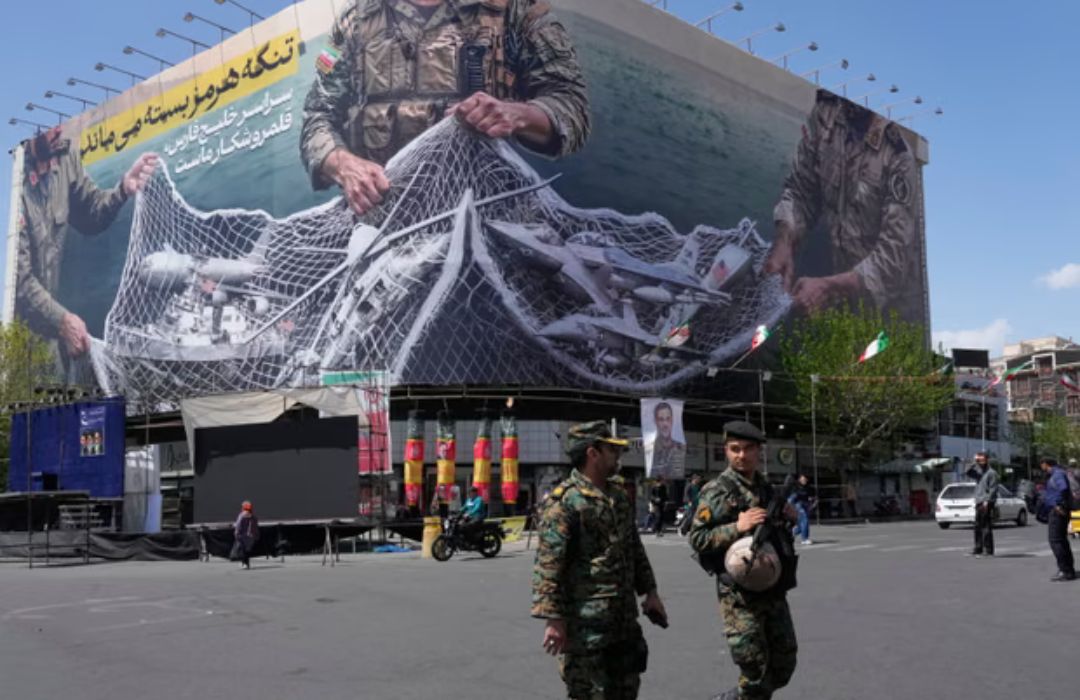
Iran does not expect an immediate change in US policy. Iranian leaders have
warned that they are prepared for further conflict if the US launches new
attacks.
At
the same time, diplomatic efforts are continuing. Qatar is playing a role in
helping Washington and Tehran exchange proposals to restart negotiations.
Experts
believe Trump may now face pressure to reach an agreement with Iran to show
progress and avoid further political damage. A limited agreement on the Strait
of Hormuz could be an easier first step than a wider deal between the two
countries.
Israel: US support could face major
changes
The
election results have raised serious concerns in Israel about the future of its
relationship with the United States.
Support
for Israel has been declining among both Democrats and some Republicans,
particularly because of the high number of deaths in Gaza and the continuing
conflict in the region.
Trump's
announcement that the US would stop military aid to Israel has added to these
concerns. The Democratic victory in both chambers of Congress could further
increase pressure on Israel.
Former
Israeli officials have warned that changes could go beyond military aid. Arms
sales, intelligence cooperation and joint defence projects, including the Iron
Dome missile defence system, could also face challenges.
Israeli
Prime Minister Benjamin Netanyahu is also facing political difficulties at home
after losing his parliamentary majority. Critics have called for a change in
leadership and a new approach to relations with the international community.
The
developments suggest that the long-standing close relationship between
Washington and Tel Aviv could face a difficult period.
Ukraine: Hope for stronger US support
For
Ukraine, the Republican election setback could bring some hope for a change in
US policy towards its war with Russia.
Ukrainian
President Volodymyr Zelensky has had a difficult relationship with Trump, who
has repeatedly pressured Kyiv to accept terms to end the war. Ukraine has also
faced uncertainty over American military support and intelligence cooperation.
The
Democratic victory could give Ukraine more support in Congress, particularly on
military assistance and its defence against Russian attacks.
However,
Ukraine cannot depend entirely on a change in US policy. Trump remains
president and continues to have significant influence over decisions on
military aid and relations with Russia.
There
are also concerns that Russian President Vladimir Putin may try to take
advantage of the political situation in Washington to make further gains in
Ukraine before US political priorities change again.
A difficult period ahead for US foreign
policy
The
midterm results have created new challenges for Trump and could influence
America's approach to some of the world's most important conflicts.
Iran
may see an opportunity for a diplomatic agreement, Israel could face greater
pressure from Washington, and Ukraine may hope for stronger support from the US
Congress.
However, the election results do not automatically mean a change in American foreign policy. Much will depend on Trump's decisions in the coming months and how far Democrats use their new power to influence his administration.