


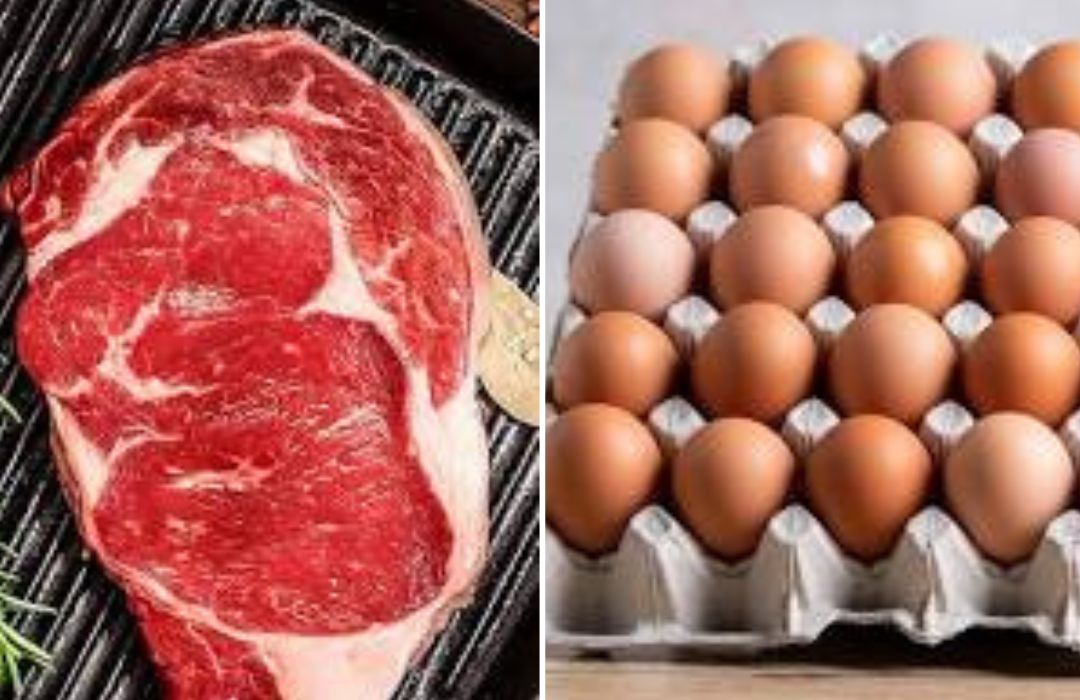
Doha: In a major step toward bolstering its food independence, Qatar has unveiled ambitious targets under the National Food Security Strategy 2030, aiming for 30% self-sufficiency in red meat and 70% in table eggs. The country already maintains full self-sufficiency in dairy and fresh poultry products, according to Hamad Hadi Al-Hajri, Assistant Director of the Food Security Department at the Ministry of Municipality.
Speaking
during a Qatar TV programme, Al-Hajri noted that Qatar currently produces 40%
of its vegetable needs, 30% of table eggs, and 15% of red meat locally. These
gains are the result of coordinated public and private sector efforts that have
propelled the nation forward in food production, sustainability, and resilience
against global supply disruptions.
Al-Hajri
highlighted the government's comprehensive strategy, which includes expanding
greenhouse farming, launching livestock fattening projects, and promoting
aquaculture. He emphasized the importance of empowering local producers by
equipping them with the infrastructure, resources, and incentives needed to
boost domestic output.
Food security is seen as a top national priority,
with collaboration among key ministries—including the Ministry of Municipality,
Ministry of Commerce and Industry, and Ministry of Public Health—as well as the
private sector, farmers, and fishermen. This integrated ecosystem ensures
progress on both local production and secure international trade routes to
counter global shocks.
As Qatar progresses toward its 2030 goals, the focus remains on sustainable agriculture, strategic reserves, and partnerships. By increasing self-sufficiency in essential food items and supporting innovation in the sector, the country aims to reduce import dependency and enhance long-term national resilience.