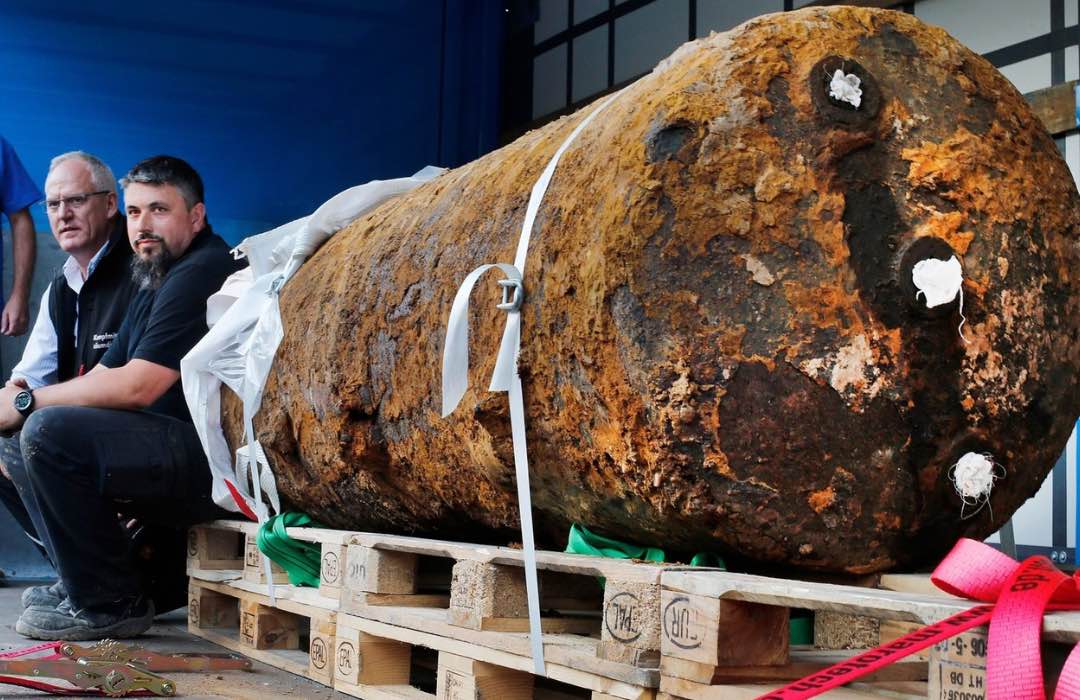
Wildfires raging across Europe this summer have uncovered a deadly threat beneath the scorched earth: rusty bombs and mines from World Wars I and II, endangering firefighting crews. In the intense heat, some of these munitions have exploded, with incidents reported in France, Belgium, Germany, and the Netherlands. A bomb-disposal team was deployed near a forest in Limburg province, a former WWII battleground, to address the risk.
According to Sarah Njeri, a scholar from London's School of Oriental and African Studies, climate change is a key factor in these developments. Historically, stable temperatures and predictable rainfall kept these buried weapons dormant. However, climate change is now "unburying and reactivating" them, she explained. Fires not only ignite old munitions but also clear brush that hides them.
This wildfire season has been exacerbated by heavy rains in January, which led to increased vegetation that became fuel in the summer heat. A study by the World Weather Attribution group highlights that high temperatures, drought conditions, low humidity, and strong winds have created ideal conditions for fires across the continent.
Follow Rehaab Online Instagram for More Updates (Click here)