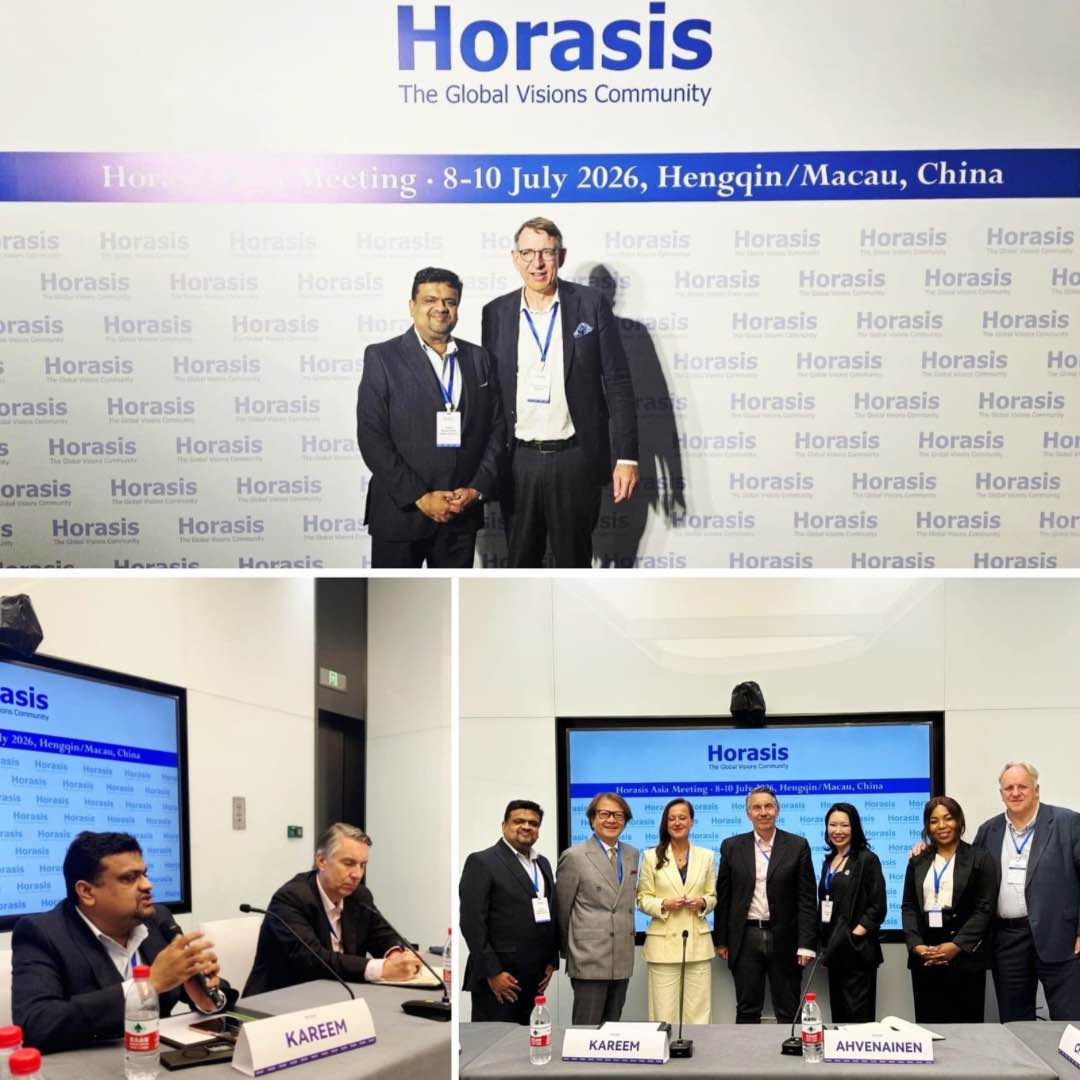
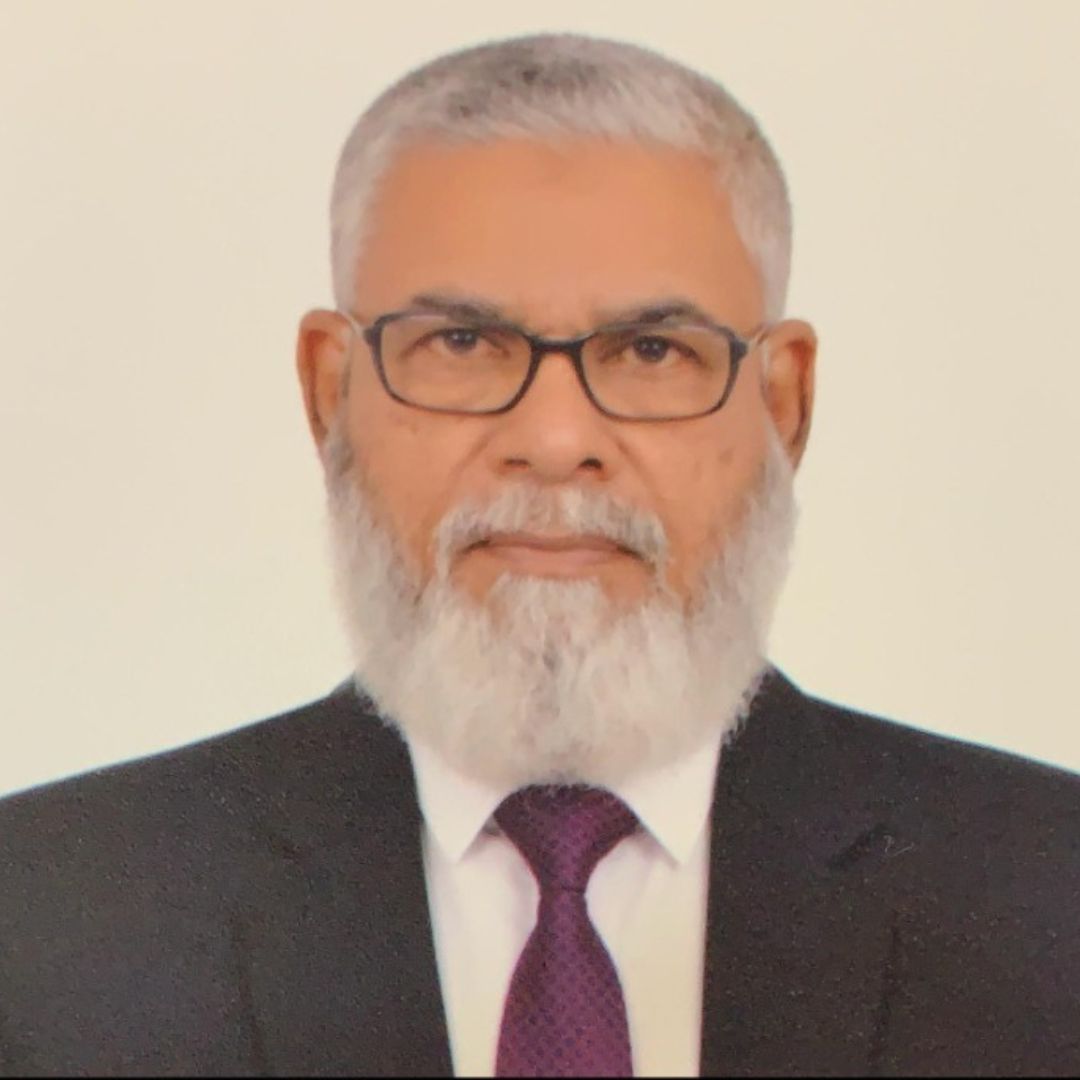
Doha, Qatar: Nearly 200 distinguished leaders from 36 countries and territories convened at the Horasis Asia Meeting 2026 to examine the future of Asia in the context of a rapidly evolving geopolitical, economic, and technological landscape. Among the attendees was Thaha Muhammed Abdul Kareem, President of the Indian Business and Professionals Council (IBPC) Qatar, affiliated with the Embassy of India, and Chief Strategic Advisor to the Chairman of Wathnan Holding. He participated as a prominent panelist in the session titled "Building Asia's Shared Future: Cooperation in a Changing World."
During this high-level dialogue, Thaha articulated a strategic vision for regional cooperation, contending that although Asia has successfully fostered deep economic interdependence over recent decades, the paramount priority for the upcoming decade must be the enhancement of strategic trust.
"Asia has built economic interdependence. The next decade must build strategic trust." He observed that trade, investment, technology, and integrated supply chains have connected Asian economies more closely than ever before. However, in an era marked by geopolitical uncertainty, geoeconomic fragmentation, and rapid technological transformation, merely relying on economic interdependence is insufficient for sustaining long-term prosperity. Instead, he underscored that sustainable growth will hinge on trusted partnerships, resilient institutions, strategic dialogue, and a collective commitment to regional cooperation.
During the discussion, Thaha outlined three strategic priorities for Asia's future: transforming economic interdependence into enduring strategic partnerships, leveraging Asia's diversity as a strategic advantage rather than a divisive factor and recognizing trust as a crucial infrastructure necessary for investment, innovation, and long-term regional stability.
Reflecting on Asia's remarkable diversity in cultures, political systems, and economic models, he emphasized that these differences should not be perceived as obstacles to cooperation but rather as sources of resilience and innovation.
"Asia does not need uniformity. It needs complementarity." Drawing on his experience in the Gulf region, Thaha highlighted the Gulf's emerging role as a strategic connector linking Asia, Africa, and Europe through investment, logistics, energy, innovation, and finance. He noted that Asia's future will increasingly be shaped by multiple centers of cooperation working collaboratively to generate shared value across borders.
He concluded by emphasising that while competition among nations is inevitable, it should never undermine cooperation, trust, and long-term regional stability.
About Horasis:
Founded and chaired by Dr. Frank-Jürgen Richter, former Director of the World Economic Forum, Horasis is an independent international organization committed to advancing global dialogue and cooperation. Through its regional and global meetings, Horasis convenes heads of government, ministers, chief executives, investors, policymakers, academics, and thought leaders to address pressing economic, geopolitical, and societal challenges. Under Dr. Richter's leadership, Horasis has established a reputation for fostering trusted dialogue, strengthening cross-border partnerships, and promoting responsible leadership for sustainable global development.
About the Horasis Asia Meeting 2026:
The Horasis Asia Meeting 2026 united nearly 200 distinguished leaders from 36 countries and territories, representing leading multinational corporations, family businesses, financial institutions, governments, universities, international organizations, and technology companies. The meeting explored the forces shaping Asia's future, including digital transformation, artificial intelligence, resilient supply chains, sustainability, investment, human capital, and regional cooperation. Thaha Muhammed Abdul Kareem was the sole representative from the State of Qatar, sharing his insights during the high-level panel on "Building Asia's Shared Future: Cooperation in a Changing World."
Thaha expressed his sincere gratitude to Dr. Frank-Jürgen Richter and the Horasis team for their visionary leadership in establishing Horasis as one of the world’s most respected platforms for international dialogue, facilitating collaboration among leaders in business, government, academia, and civil society to inspire innovation and advance practical solutions to shared global challenges.
His participation also reflects IBPC Qatar's commitment to promoting international business dialogue, strengthening economic and professional engagement, and constructively contributing to discussions that shape the future of Asia and the global economy.