




Throughout human history, many great personalities have influenced the course of civilisation. Yet few have left an impact as profound, enduring and universal as Prophet Muhammad ﷺ. He was not only a religious leader, but also a teacher, reformer, statesman, peacemaker and guide for humanity. Above all, he was a messenger of mercy.
The
life of Prophet Muhammad ﷺ provides a timeless example of
compassion, forgiveness, patience, justice and concern for every living being.
His message was not limited to one race, nation or community. It called
humanity towards faith, dignity, kindness, justice and peaceful coexistence.
His life demonstrated that true greatness does not lie in wealth or power, but
in the ability to show mercy even when one has the strength to punish.
Mercy at the heart of his mission
Mercy
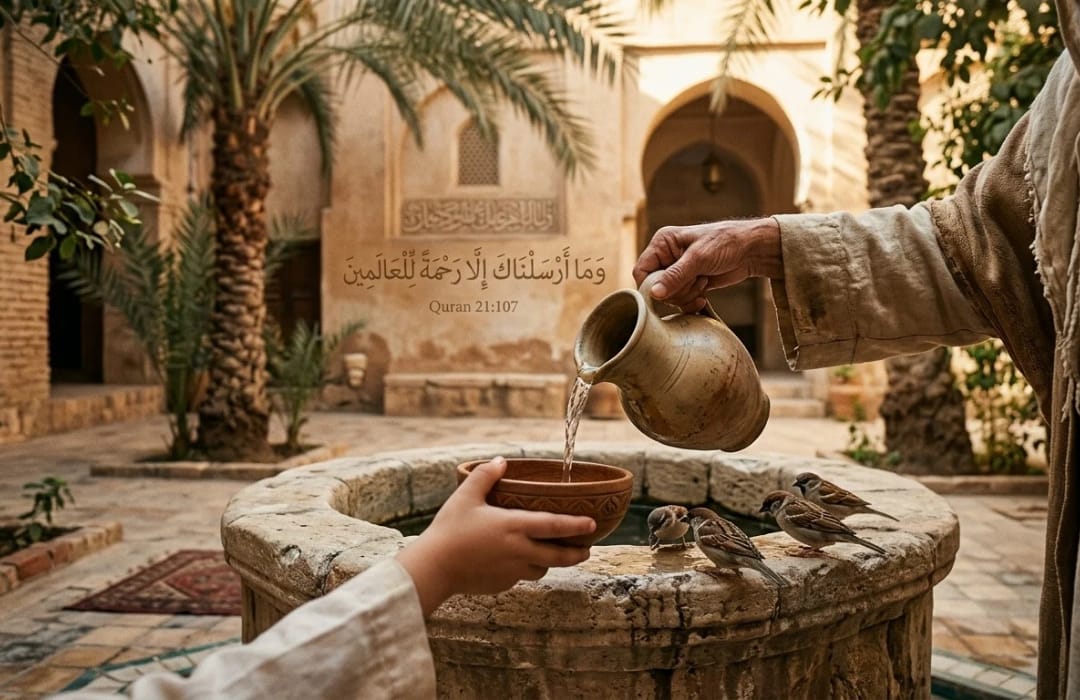
was at the heart of the Prophet’s ﷺ mission. The Qur’an describes him as a
mercy to the worlds: “We have not sent you
except as a mercy to the worlds.” This reflects the universal character
of his message.
His
mercy extended beyond his companions and followers. He showed kindness to
strangers, neighbours, children, the elderly, the poor and even those who
opposed him. He taught that compassion should not be selective. It should be
reflected in our words, actions and relationships with all of creation.
The
Prophet ﷺ transformed the meaning of strength.
In a society where revenge and tribal pride were deeply rooted, he taught
forgiveness. Where the weak were neglected, he restored their dignity. Where
women, orphans and slaves were vulnerable, he emphasised their rights and
humane treatment.
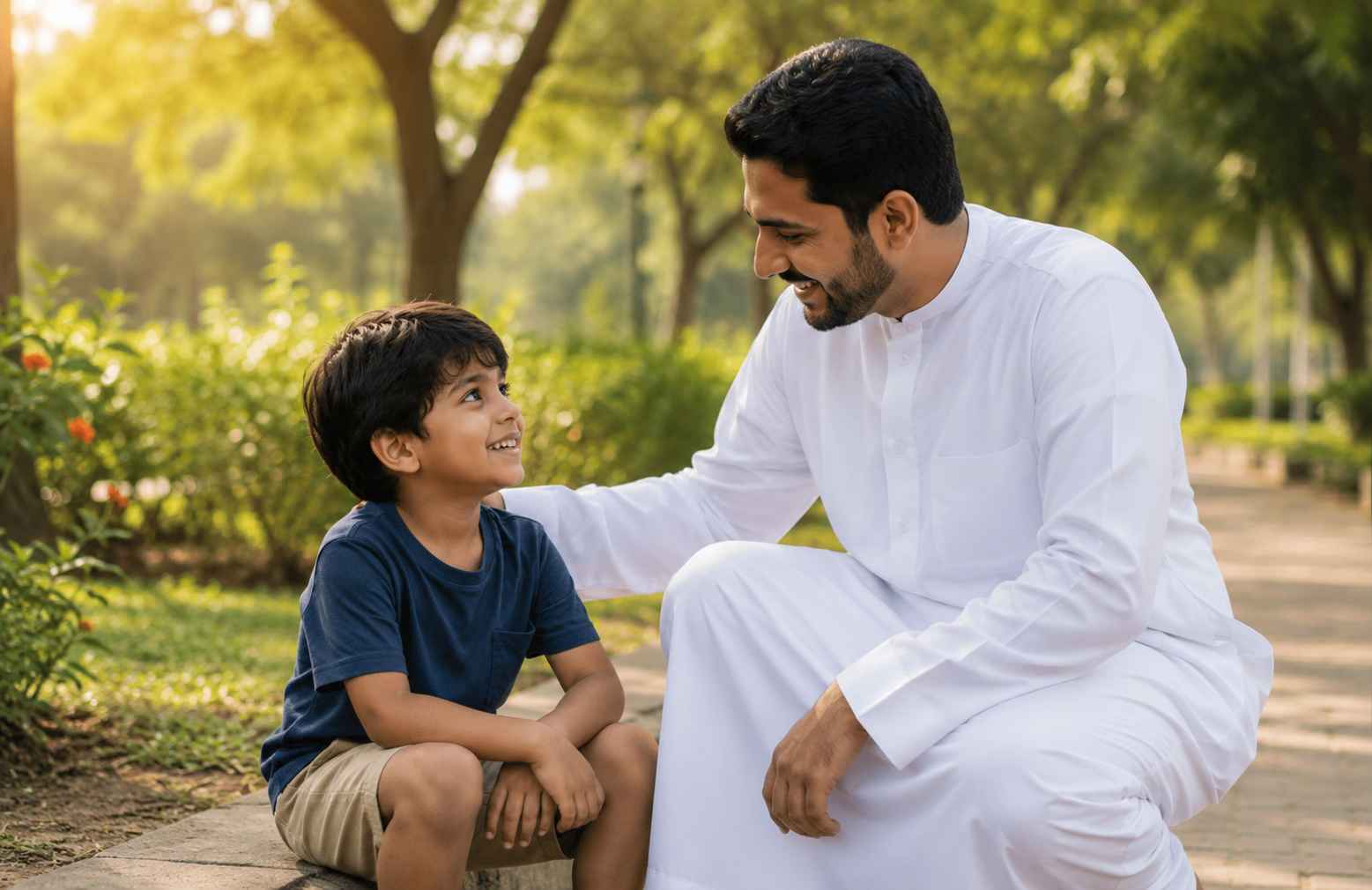
Mercy towards children
Prophet
Muhammad ﷺ had great affection for children. He
greeted them, spoke to them kindly and treated them with dignity. He understood
their emotions and never considered their young age a reason to ignore them.
His
example teaches us that children need more than food, education and protection.
They also need affection, patience and respect. A compassionate society begins
by teaching children how to be compassionate.
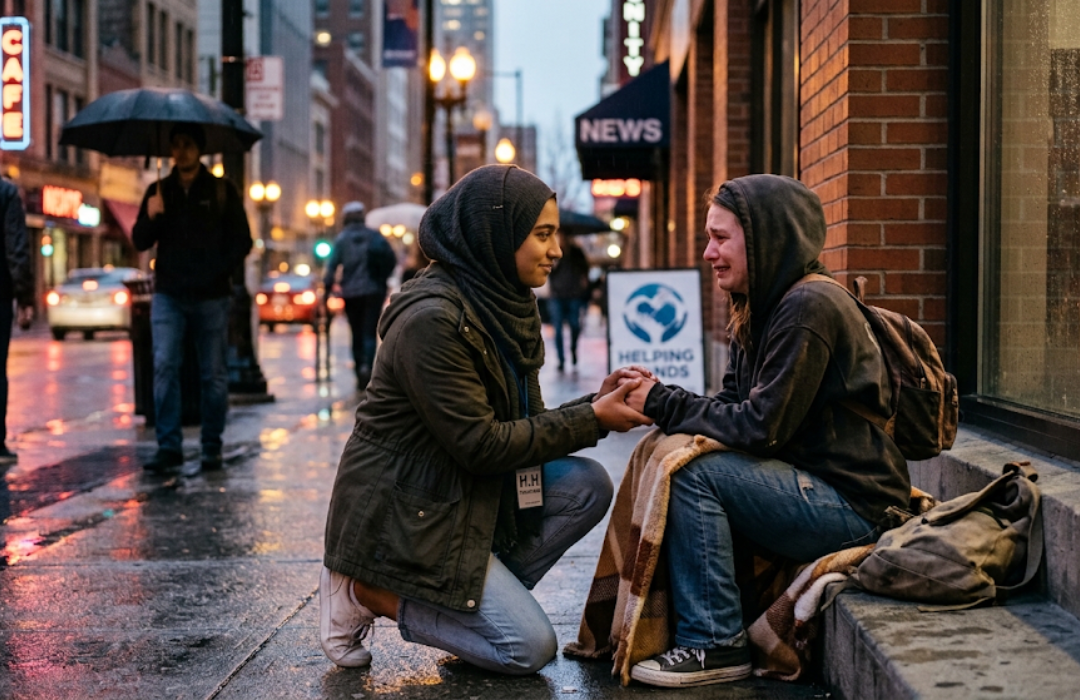
Mercy towards the poor and vulnerable
The
Prophet ﷺ consistently stood with the
disadvantaged. He encouraged people to feed the hungry, care for orphans,
support widows and assist those in need.
He
taught that wealth is not a measure of human worth. Every person possesses
dignity, and those with greater resources have responsibilities towards
society. The vulnerable deserve care, not neglect.
This
message remains deeply relevant today, when millions continue to face poverty,
displacement, hunger and inequality. A truly compassionate society is one where
people do not ignore the suffering of others.
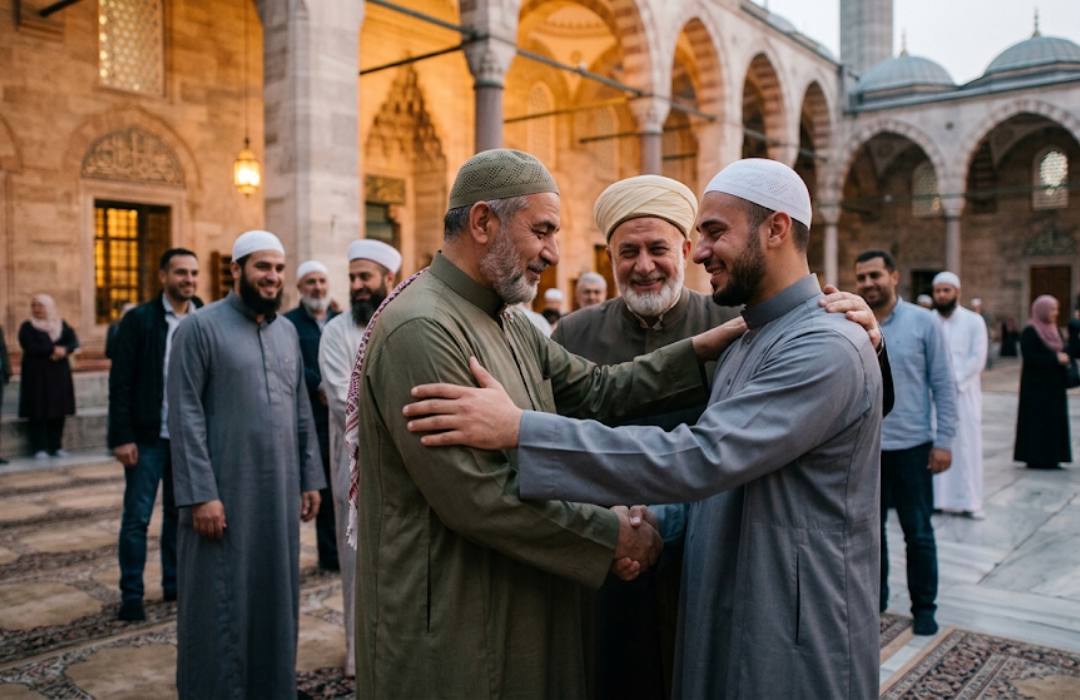
Forgiveness instead of revenge
One
of the most remarkable examples of the Prophet’s ﷺ mercy was his
response to those who had harmed him. He faced insults, persecution, rejection
and violence. Yet when he eventually gained authority, he did not use his power
simply to settle personal scores.
The
conquest of Makkah provides a powerful example. After years of persecution and
conflict, the Prophet ﷺ entered Makkah with authority. Those
who had opposed him had reason to fear revenge. Instead, the occasion became a
remarkable example of forgiveness and reconciliation.
This
was not weakness. It was strength-the strength to control anger, overcome
personal resentment and place forgiveness above revenge.

Mercy towards neighbours
The
Prophet ﷺ placed great importance on the rights
of neighbours. He taught his followers to care for those around them and warned
against causing harm.
A
neighbour’s religion, nationality, language or social status should never
become a barrier to kindness. This principle is particularly meaningful in
today’s multicultural societies, where people from different backgrounds live
together.
A
peaceful community is created not merely when people tolerate one another, but
when they genuinely respect and care for one another.

Mercy towards animals and creation
The
Prophet’s ﷺ compassion extended beyond human
beings. He taught people not to cause unnecessary suffering to animals and
encouraged kindness towards living creatures.
His
teachings remind us that mercy is an attitude towards all creation. Human
beings have a responsibility to care for the world around them.
In
an age of environmental challenges, climate change and destruction of natural
habitats, this principle carries a powerful message. The earth is not simply
something to exploit; it is a trust that must be protected and preserved.

Justice and mercy together
Mercy
does not mean ignoring justice. Prophet Muhammad ﷺ demonstrated that a compassionate
society must also be a just society.
He
stood against oppression and discrimination and emphasised the dignity of every
human being. He encouraged people to judge fairly, honour agreements, protect
rights and stand against wrongdoing.
True mercy and justice complement one another. Mercy protects people from cruelty, while justice protects them from oppression. Together, they create a society where people can live with dignity and security.
Respect for human dignity
One
of the greatest lessons from the Prophet’s ﷺ life is the dignity
of every human being.
He
taught that superiority is not determined by wealth, colour, nationality, tribe
or family status. Human beings should be judged by their righteousness and
character.
This
message remains highly relevant in a world still affected by racism,
discrimination, hatred and social division. The Prophet’s ﷺ
example calls humanity towards equality, respect and mutual understanding.
Mercy in family life
Prophet
Muhammad ﷺ was also an example of kindness within
the family. He treated his wives with affection and respect and showed love
towards his children and grandchildren.
His
household was not based simply on authority. It reflected compassion,
communication, patience and mutual respect.
This
is an important lesson for modern families. Busy lifestyles, stress and
communication gaps can create distance between family members. The prophetic
model reminds us that strong families are built through love, understanding,
patience and kindness.
The Prophet ﷺ as a peacemaker
Prophet
Muhammad ﷺ consistently preferred peace when
peace was possible. He negotiated, made agreements and sought reconciliation.
His
life demonstrates that peace is more than the absence of conflict. Genuine
peace requires justice, trust, forgiveness and respect.
In
today’s world, where conflicts continue to divide nations and communities, this
approach remains relevant. Dialogue and reconciliation can sometimes achieve
what confrontation cannot.
A message for today’s world
The
modern world has achieved extraordinary progress in science and technology. We
can communicate across continents within seconds and travel thousands of
kilometres in hours. Yet technological progress alone cannot solve hatred,
loneliness, violence, discrimination and intolerance.
The
world also needs moral progress-a revival of compassion.
The
life of Prophet Muhammad ﷺ provides a timeless model for such
transformation. His teachings encourage us to replace hatred with
understanding, revenge with forgiveness, arrogance with humility and
indifference with compassion.
Being
a follower of the Prophet ﷺ is not merely about
knowing his name or remembering his life. It is about reflecting his character
in our own lives.
If
we truly admire the Prophet of Mercy, we must become more merciful people. We
must be kind to our parents, patient with our children, respectful towards our
neighbours, honest in our dealings, generous towards the poor and forgiving
towards those who make mistakes.
The greatest legacy of mercy
The
greatest legacy of Prophet Muhammad ﷺ is found not only in
historical events, but also in the values he taught and the character he
demonstrated.
He
showed humanity that leadership can be compassionate, strength can be humble,
justice can be fair and forgiveness can be powerful.
His
life teaches us that greatness should not be measured by how many people fear
us, but by how many people feel safe, respected and cared for because of us.
Centuries
have passed since the Prophet ﷺ walked among people,
but his message of mercy remains remarkably relevant. In a world divided by
religion, race, nationality, politics and social differences, his example calls
humanity back to something universal: compassion and human dignity.
Conclusion
Prophet
Muhammad ﷺ was truly a Prophet of Mercy-not only
because he spoke about compassion, but because he lived it.
He
forgave when he could punish. He helped when others ignored. He comforted those
in pain. He defended the weak, honoured the vulnerable, cared for children,
respected neighbours and taught kindness towards all creation.
His
life reminds us that mercy is not a sign of weakness. It is one of the highest
forms of strength.
If
every individual adopted even a small part of the compassion, patience,
forgiveness and justice demonstrated by the Prophet ﷺ,
families would become stronger, communities would become more peaceful and
societies would become more humane.
The
world does not merely need more knowledge, wealth or technology. It needs more
mercy.
And the life of Prophet Muhammad ﷺ continues to illuminate that path-a timeless example of how compassion, justice and humanity can transform individuals, communities and the world.