


Jeddah:
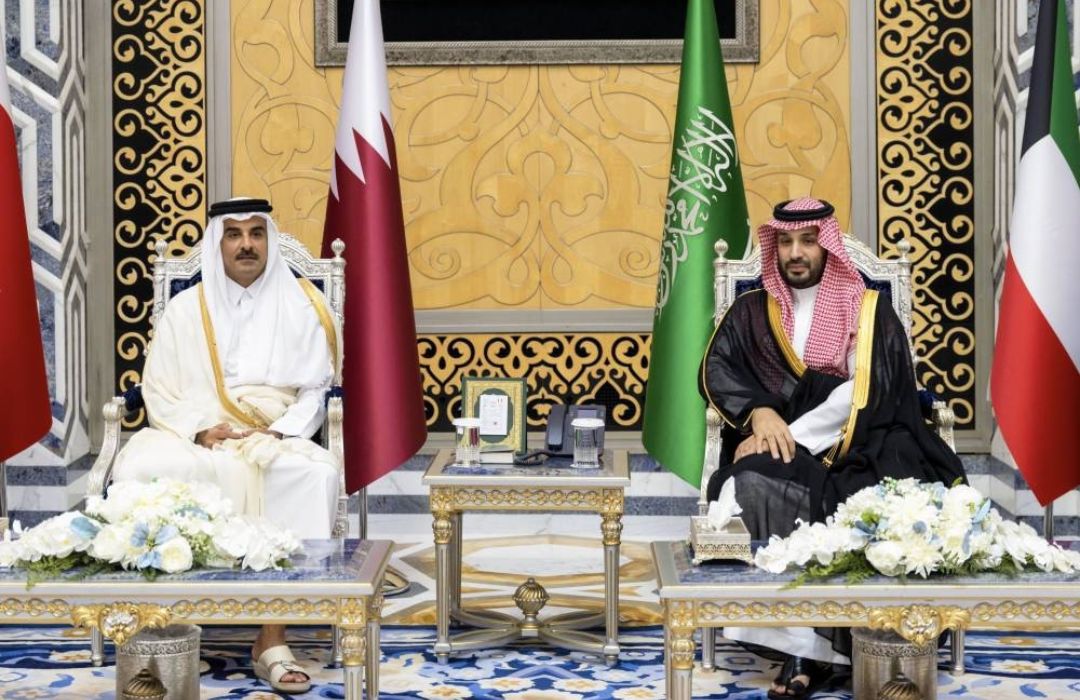
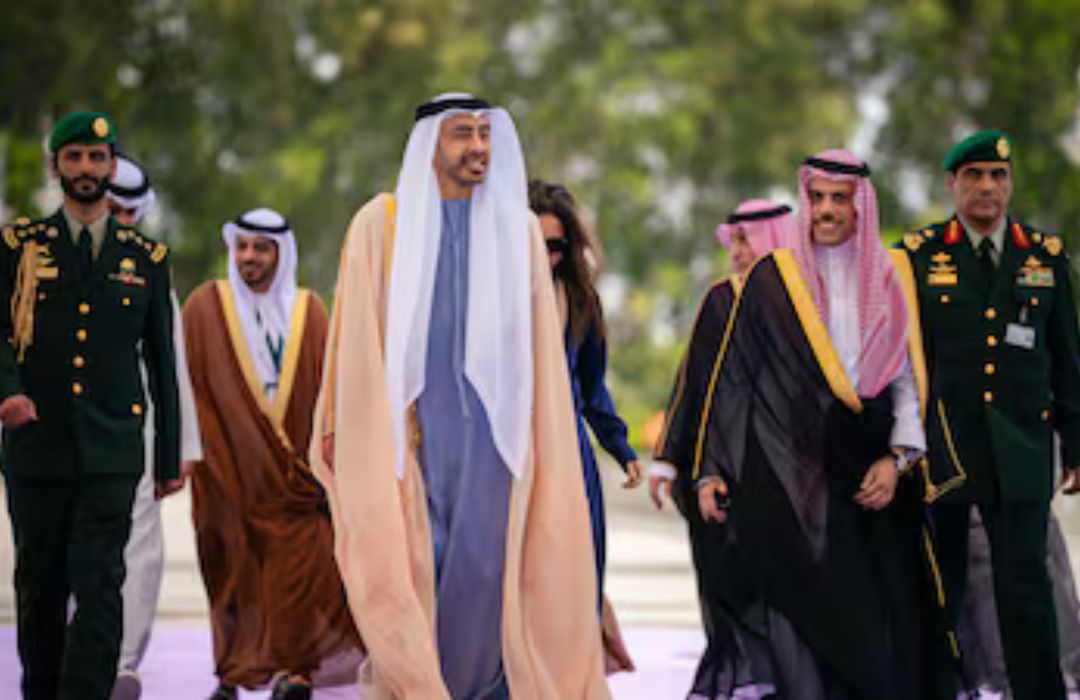
During a consultative summit in Jeddah, leaders of the Gulf Cooperation Council
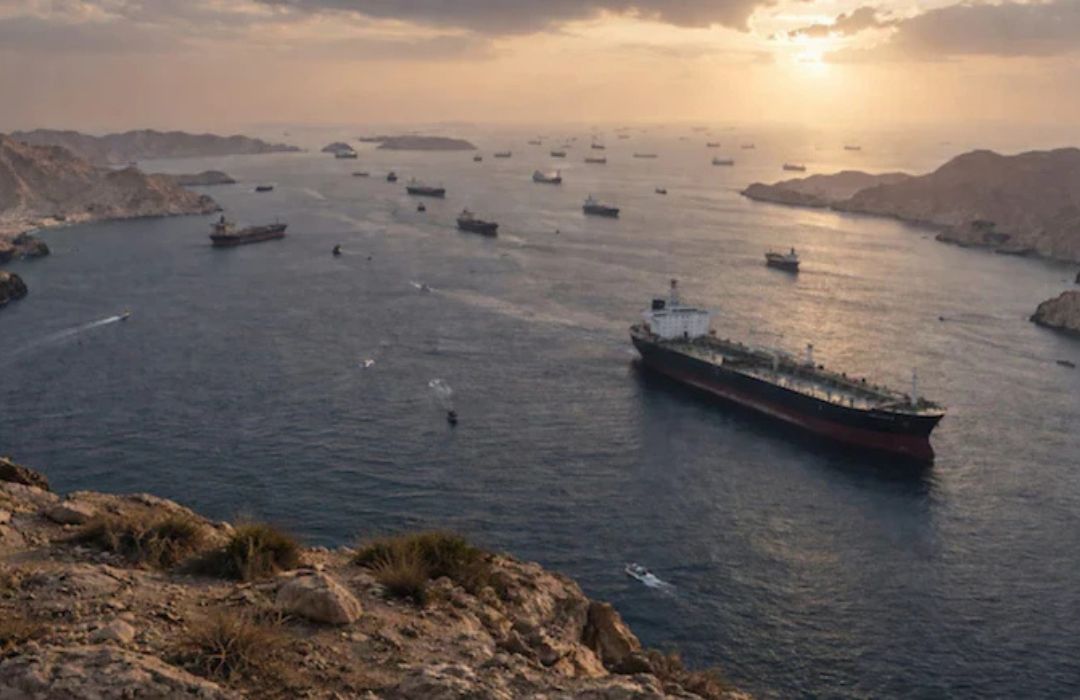
(GCC) called for the immediate restoration of free maritime passage in the
Strait of Hormuz, firmly rejecting Iranian attempts to restrict navigation or
impose transit fees. The leaders emphasized that conditions in the Strait must
return to their status prior to February 28, warning that continued disruptions
pose a direct threat to global energy security and international supply chains.
Chaired
by Saudi Crown Prince Mohammed bin Salman, the summit focused heavily on
enhancing collective defense through military integration. Leaders directed the
rapid deployment of a unified early warning system to counter ballistic missile
threats and reaffirmed that the security of member states is indivisible. Under
Article 51 of the UN Charter, the bloc asserted its right to individual and
collective self-defense, declaring that an attack on any one member state is an
attack on all.
The council strongly condemned recent Iranian attacks on civilian and critical infrastructure in Gulf states and Jordan, labeling them as violations of international law and regional sovereignty. In addition to security measures, the GCC Secretariat was directed to expedite vital joint projects, including the Gulf railway network and regional electricity, water, and fuel interconnections, to ensure long-term stability and economic resilience.